
Celebrating 500 years of the botanist Carolus Clusius
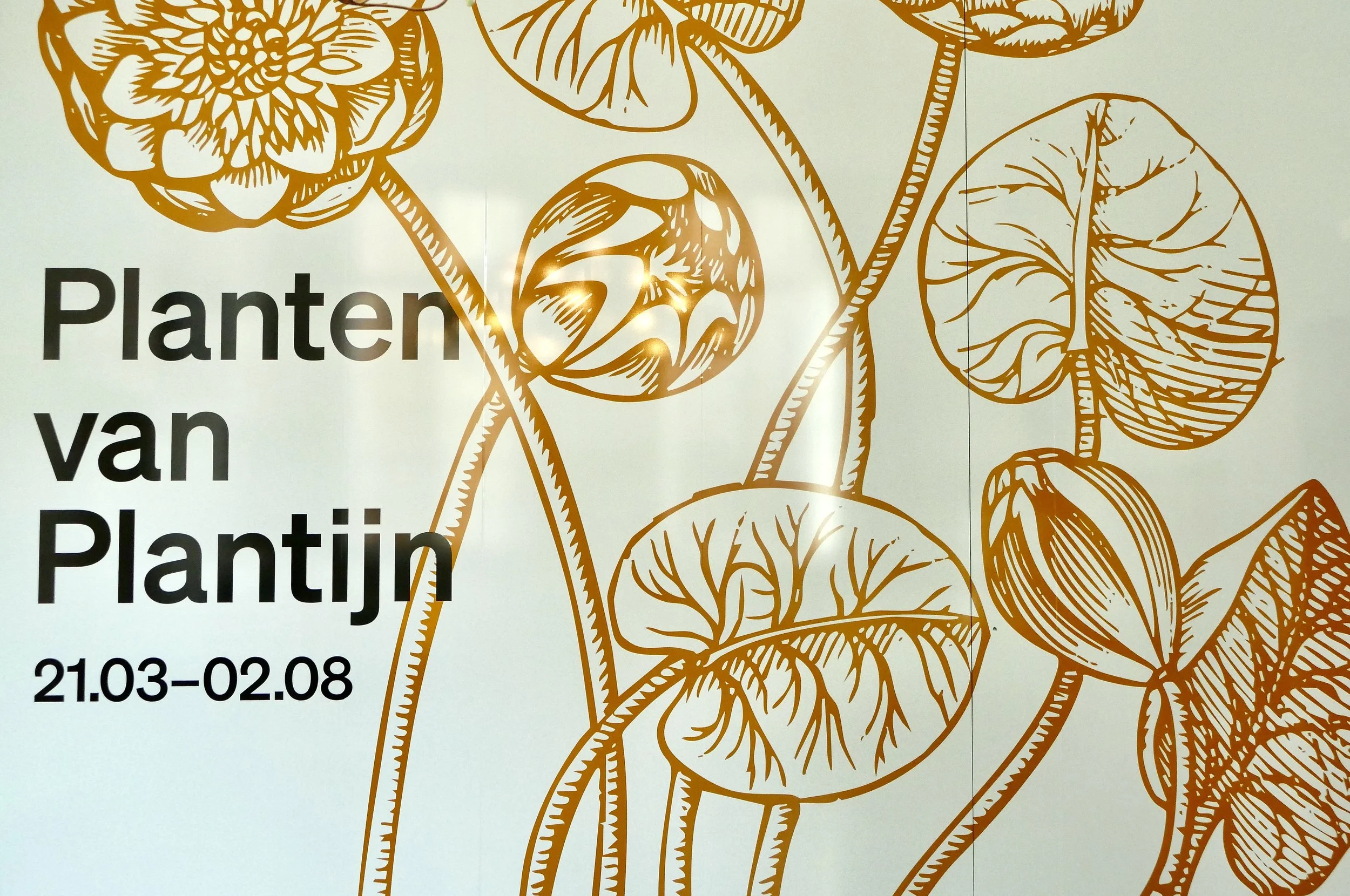
Last week I went to Antwerp to see the exhibition 'Plants of Plantijn’ at the Museum Plantin-Moretus. It's located at the original historical building of this famous printing house.
This exhibition celebrated the 500th birthday of the botanist Carolus Clusius whose book was printed here. But more about it later in this blogpost!
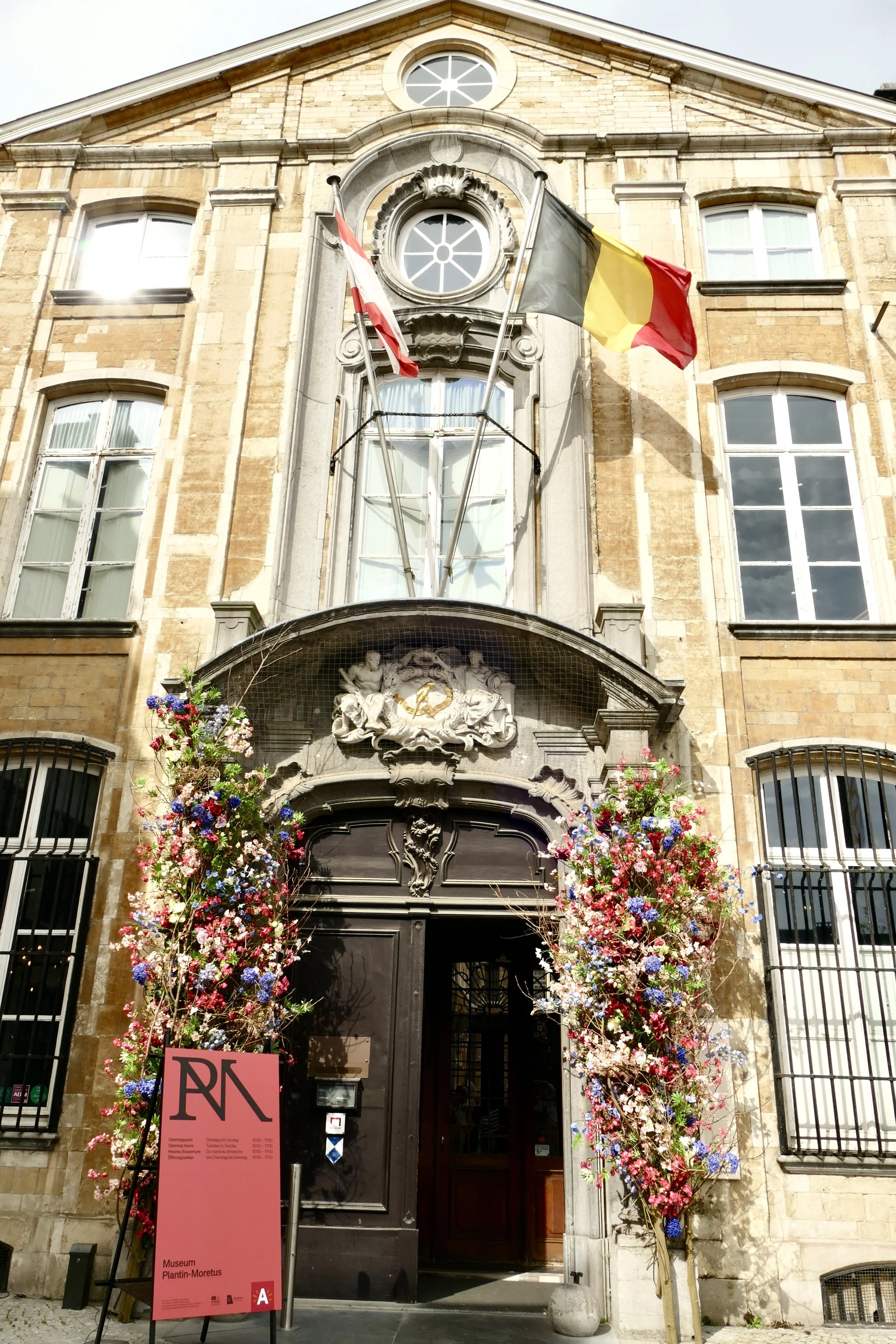
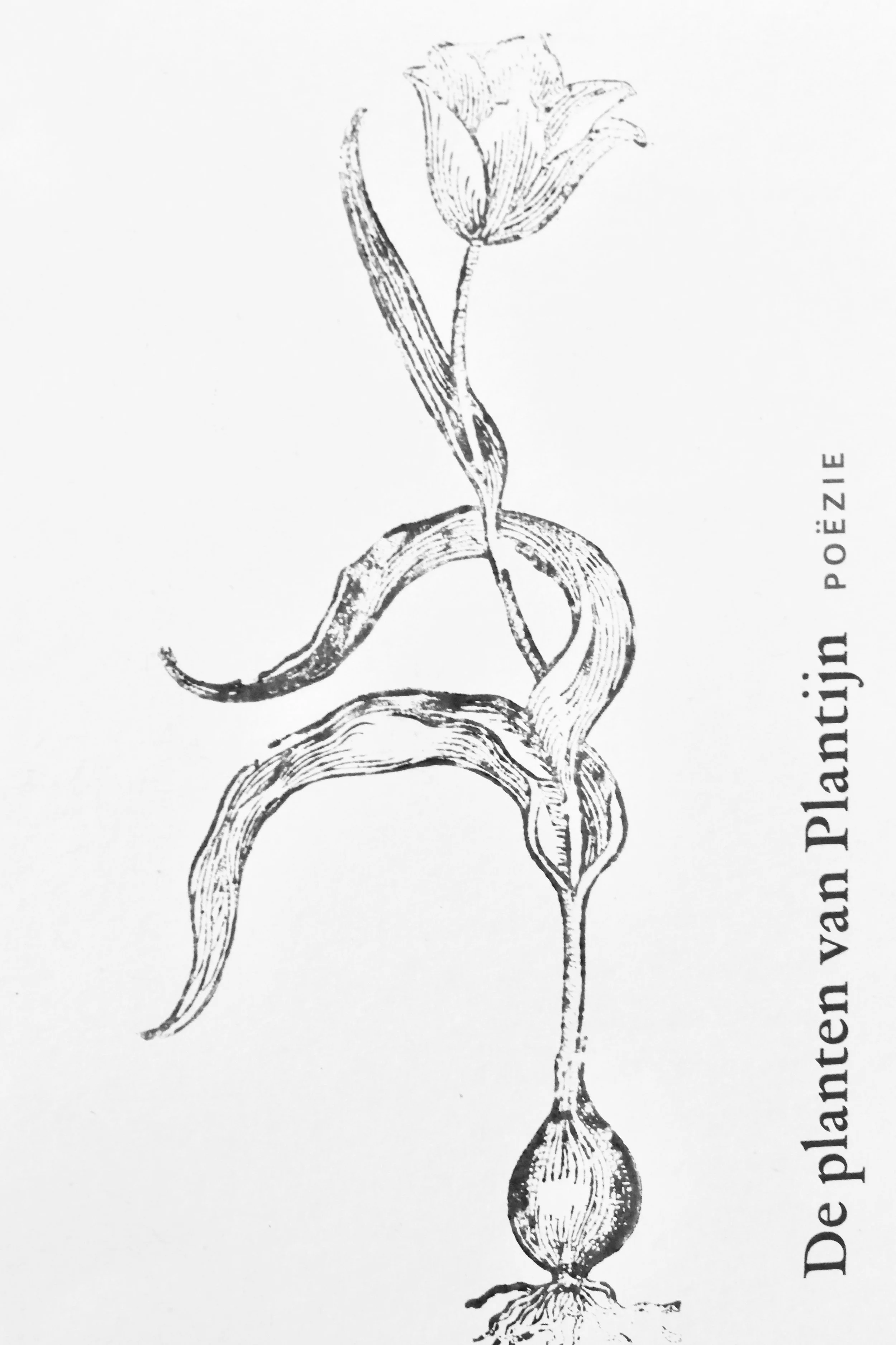
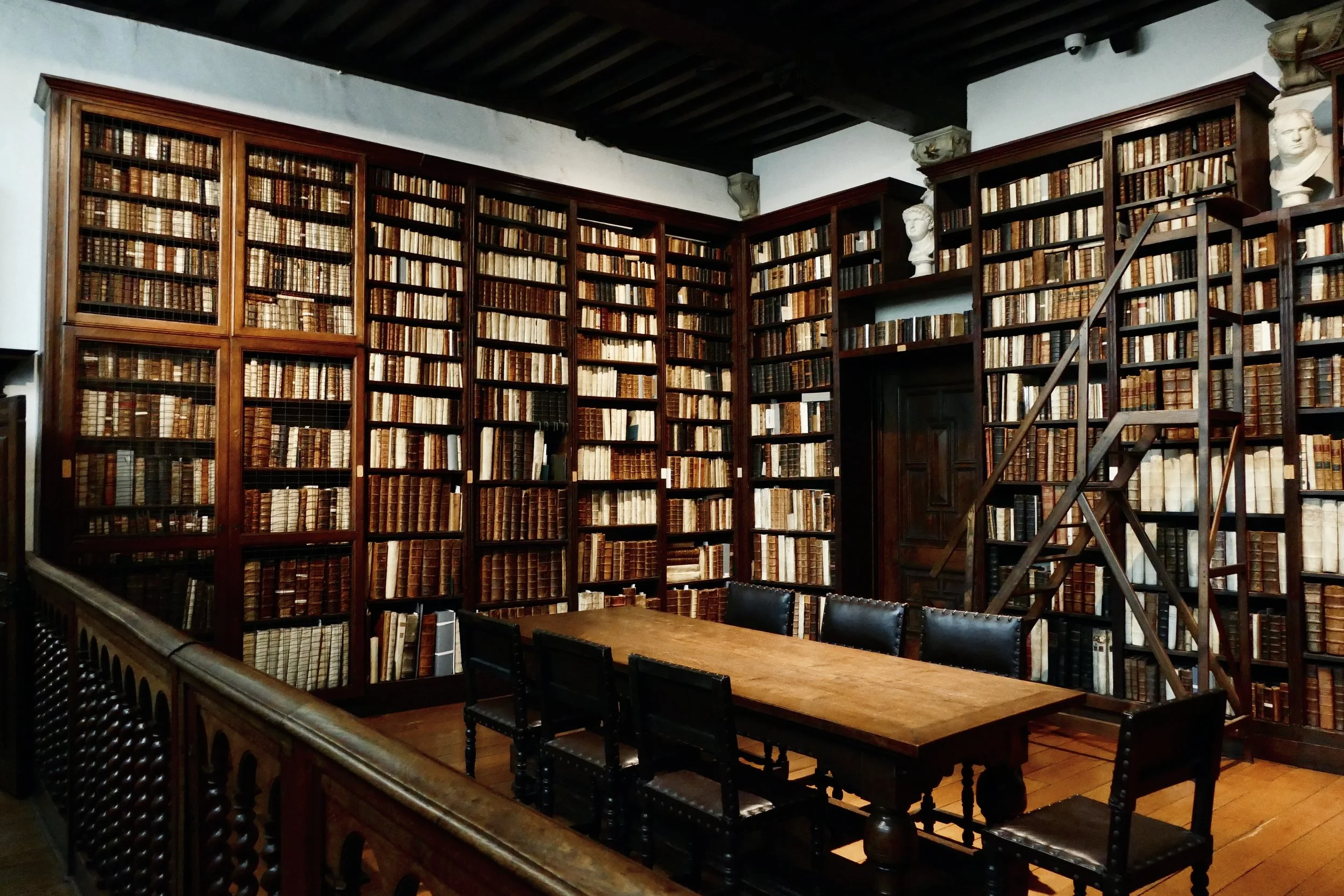
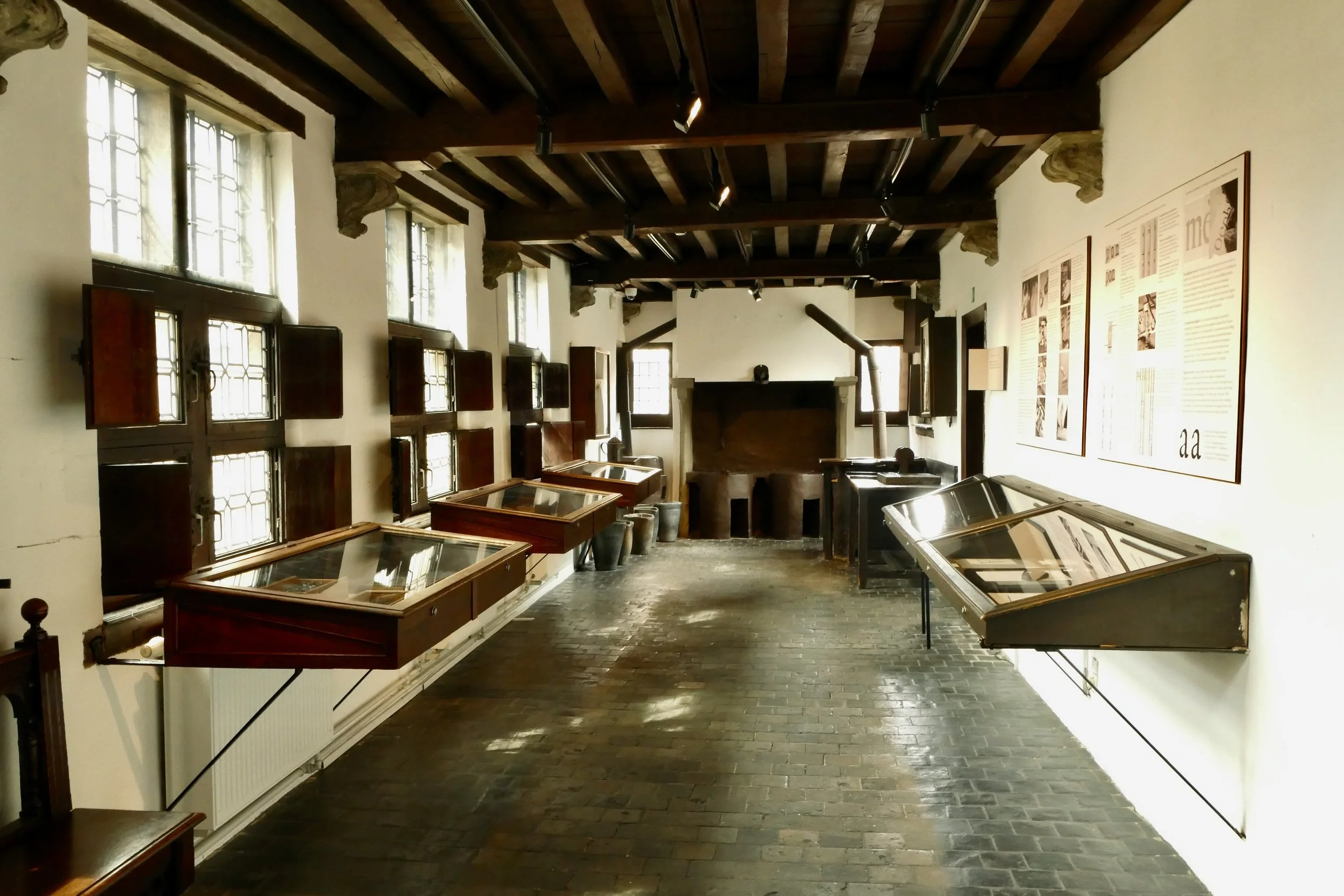
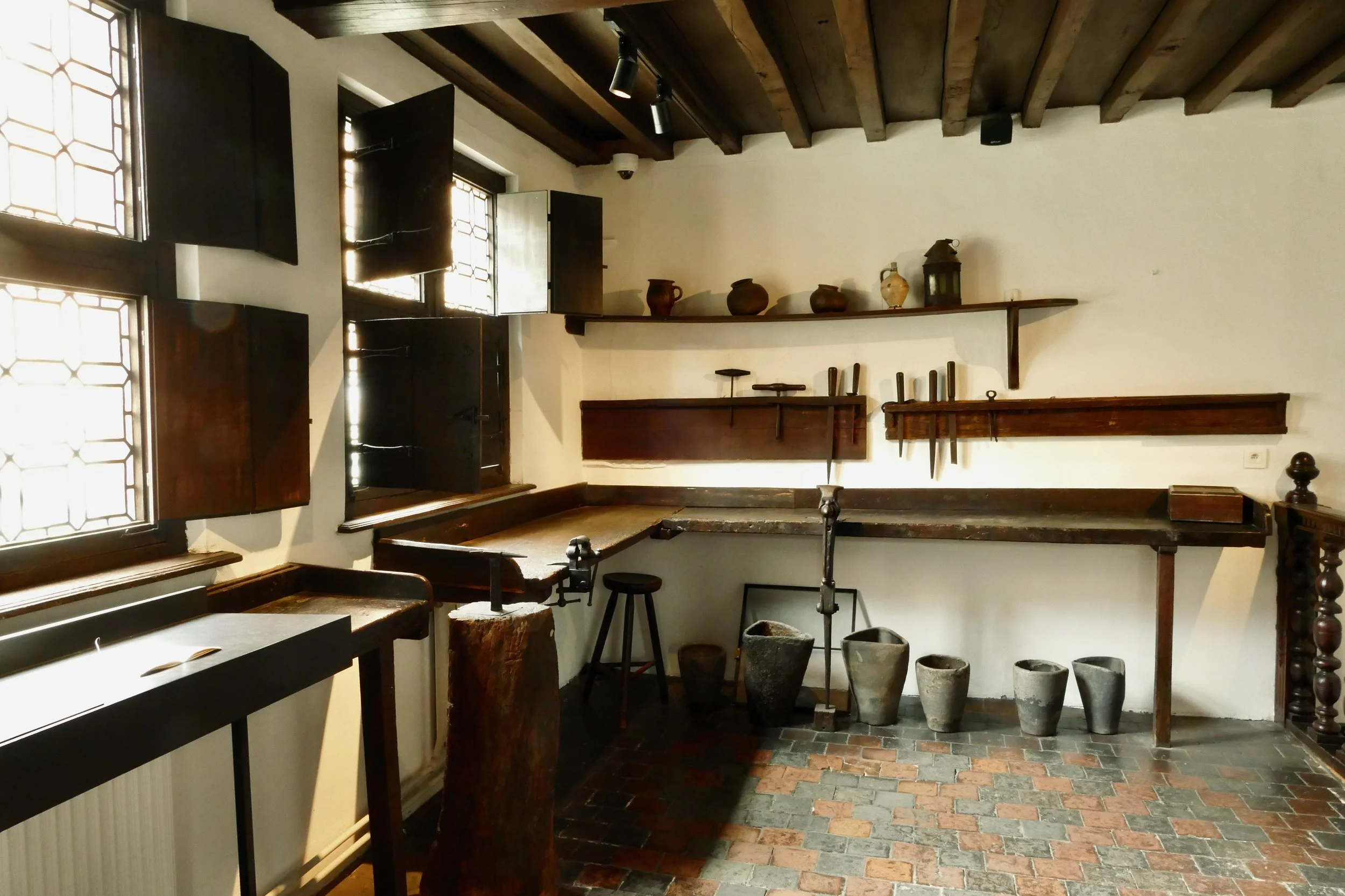
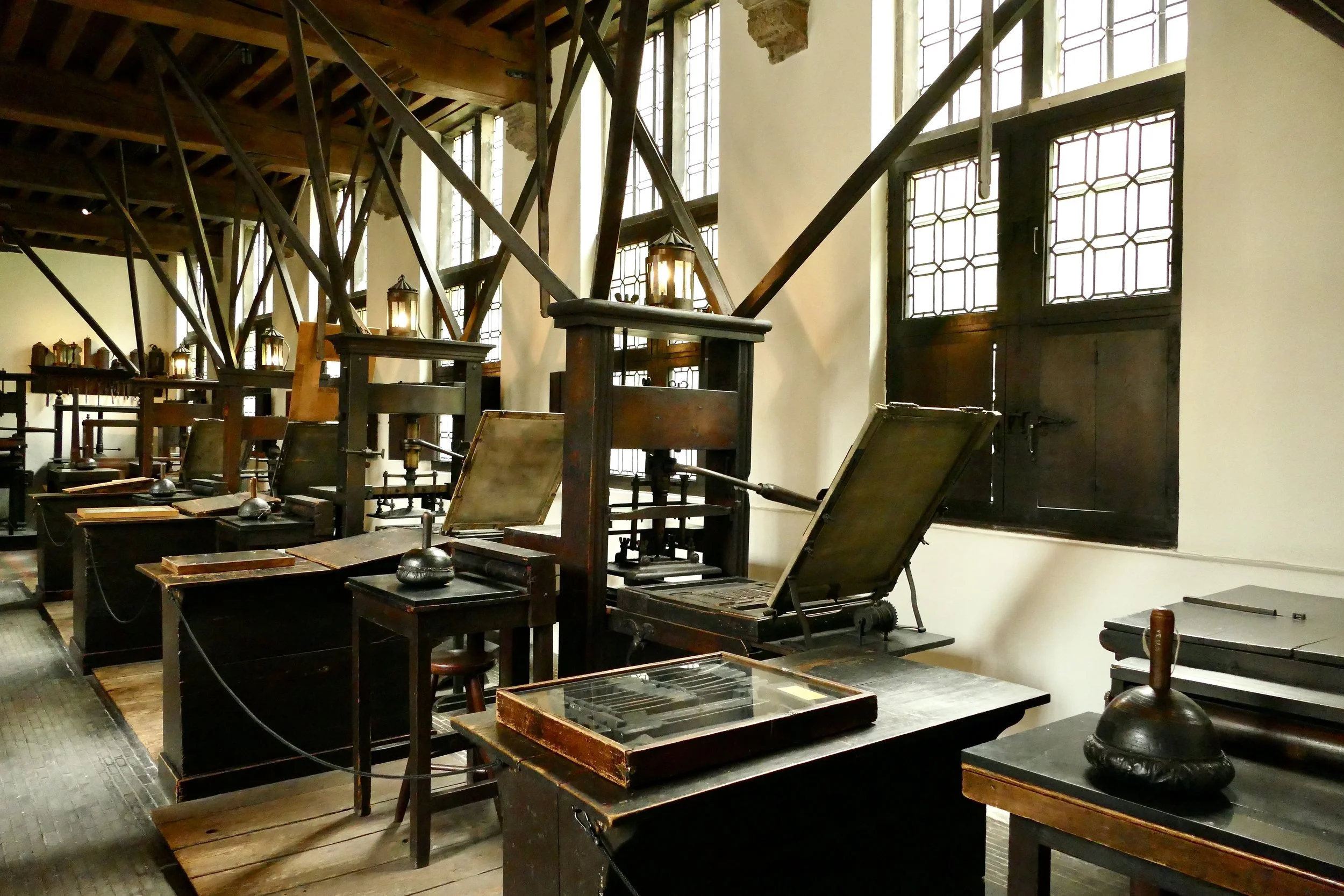
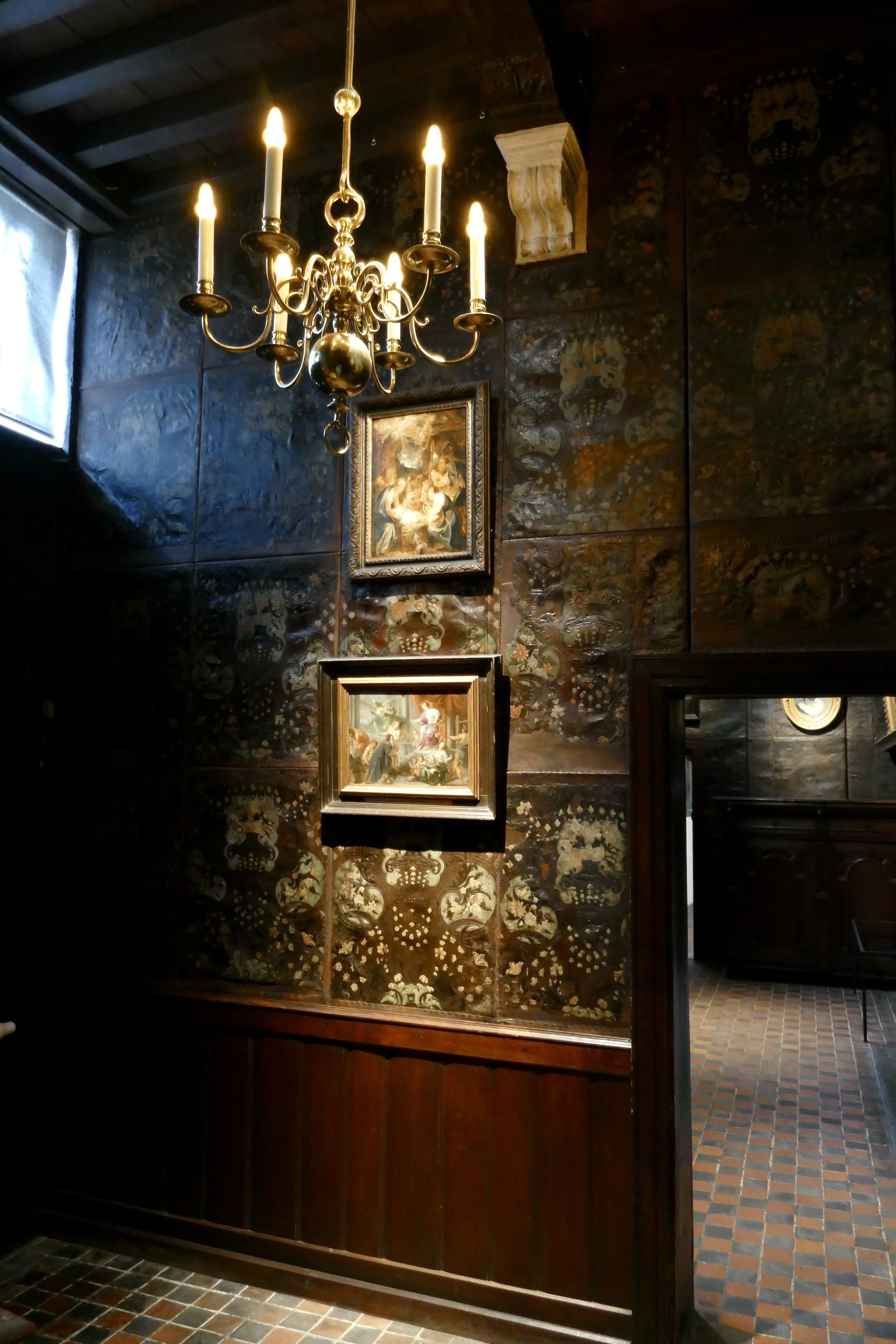
I'll start by sharing some impressions of the museum so you have an idea of the incredible interior and atmosphere of this 16th century printing house. Well, in fact it's more than a museum, it's a home and UNESCO World Heritage. It's a house where nine generations lived and worked. The Plantin-Moretus family were revolutionary printers and this place still owns the world's two oldest printing presses.
If you would ever be in Antwerp, this is definitely a must see!
The shop
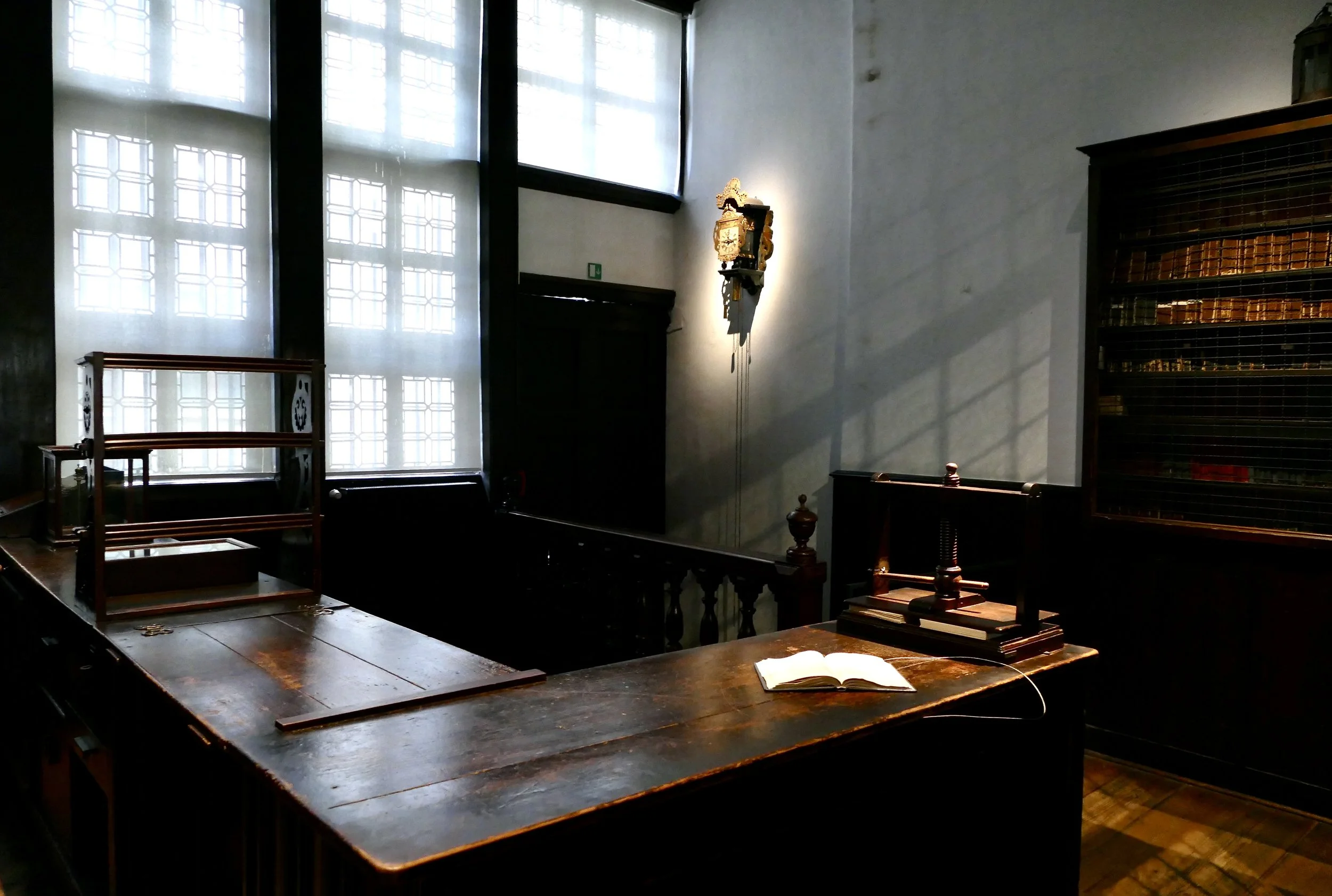
The library
The type foundry
The printing workshop
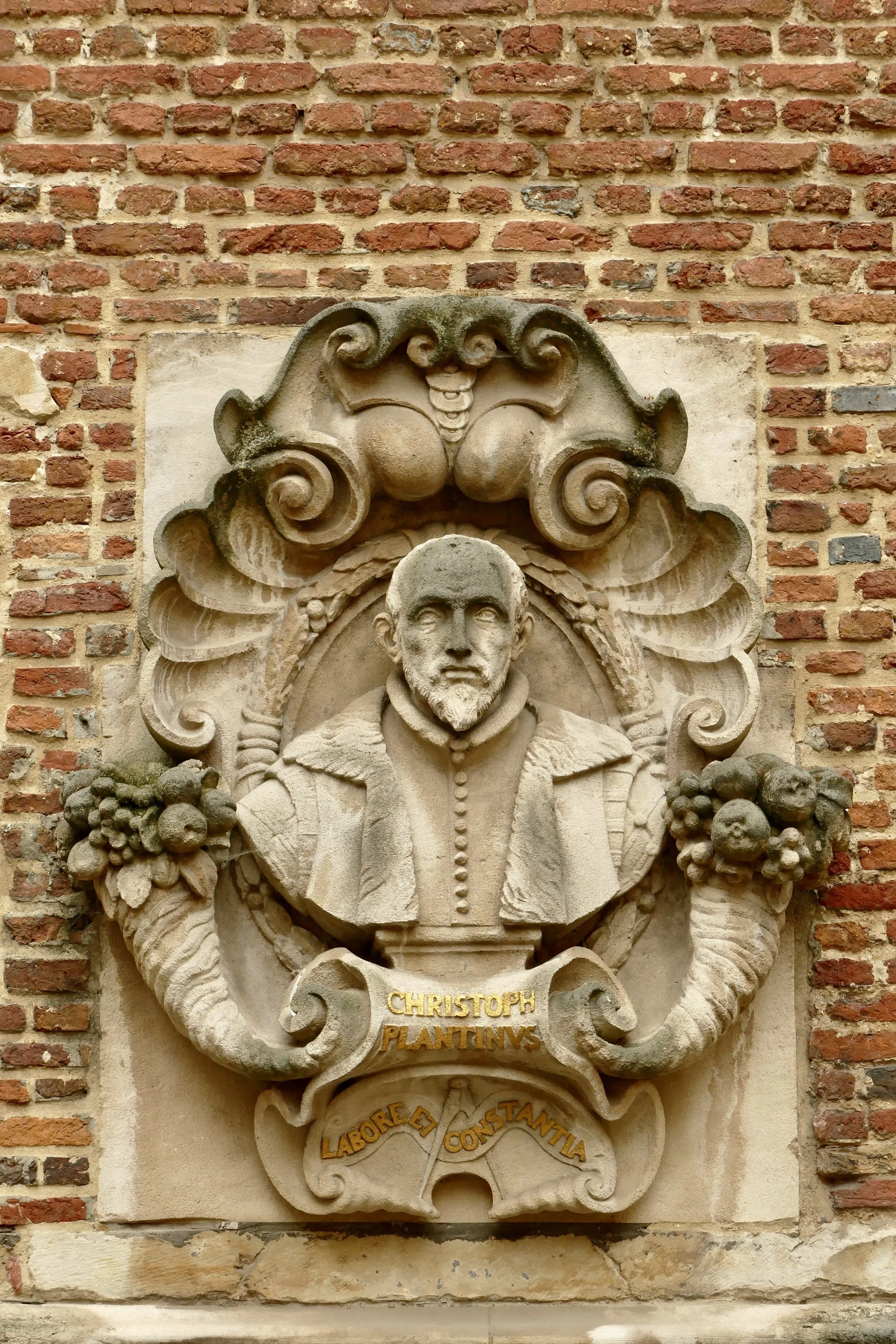
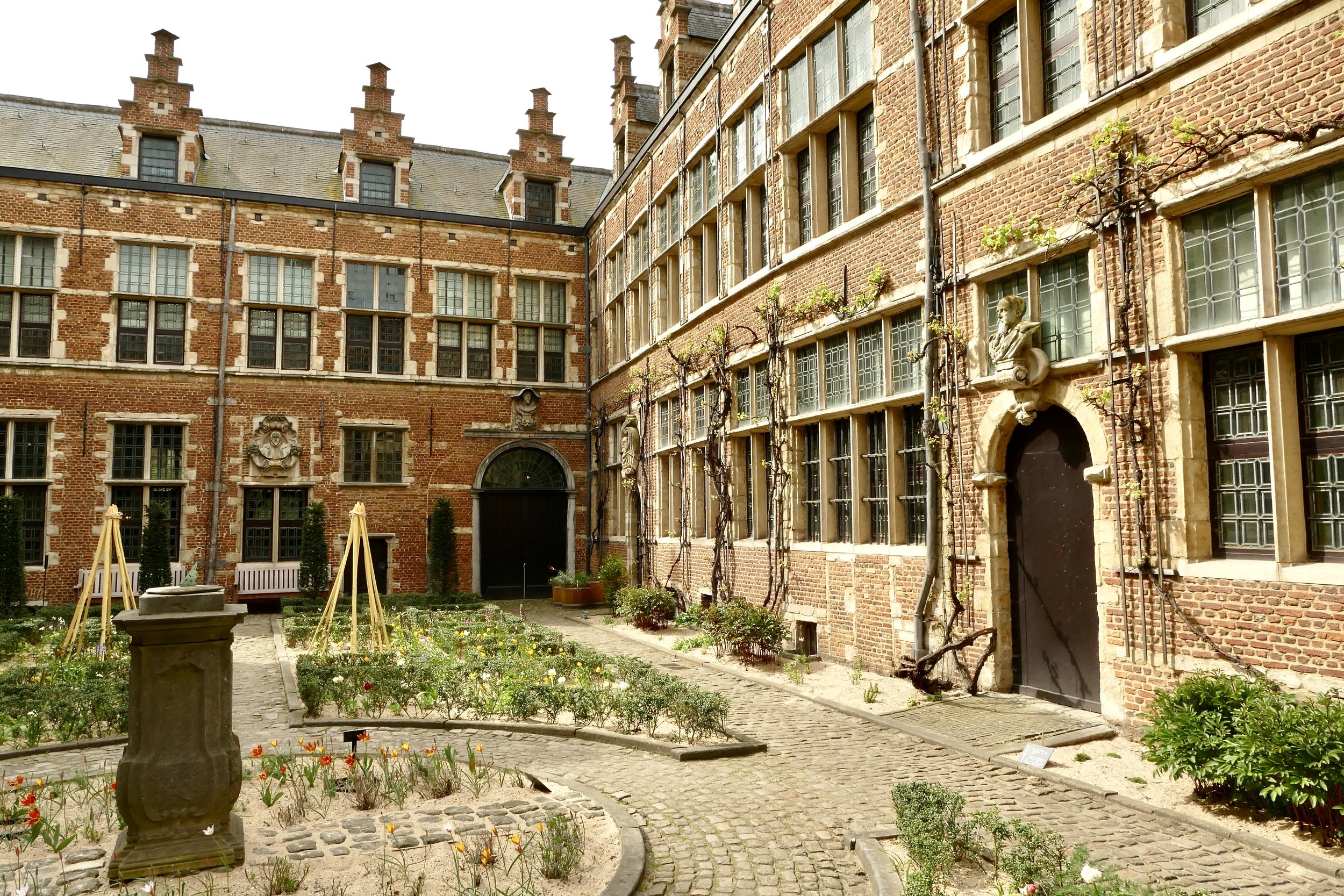
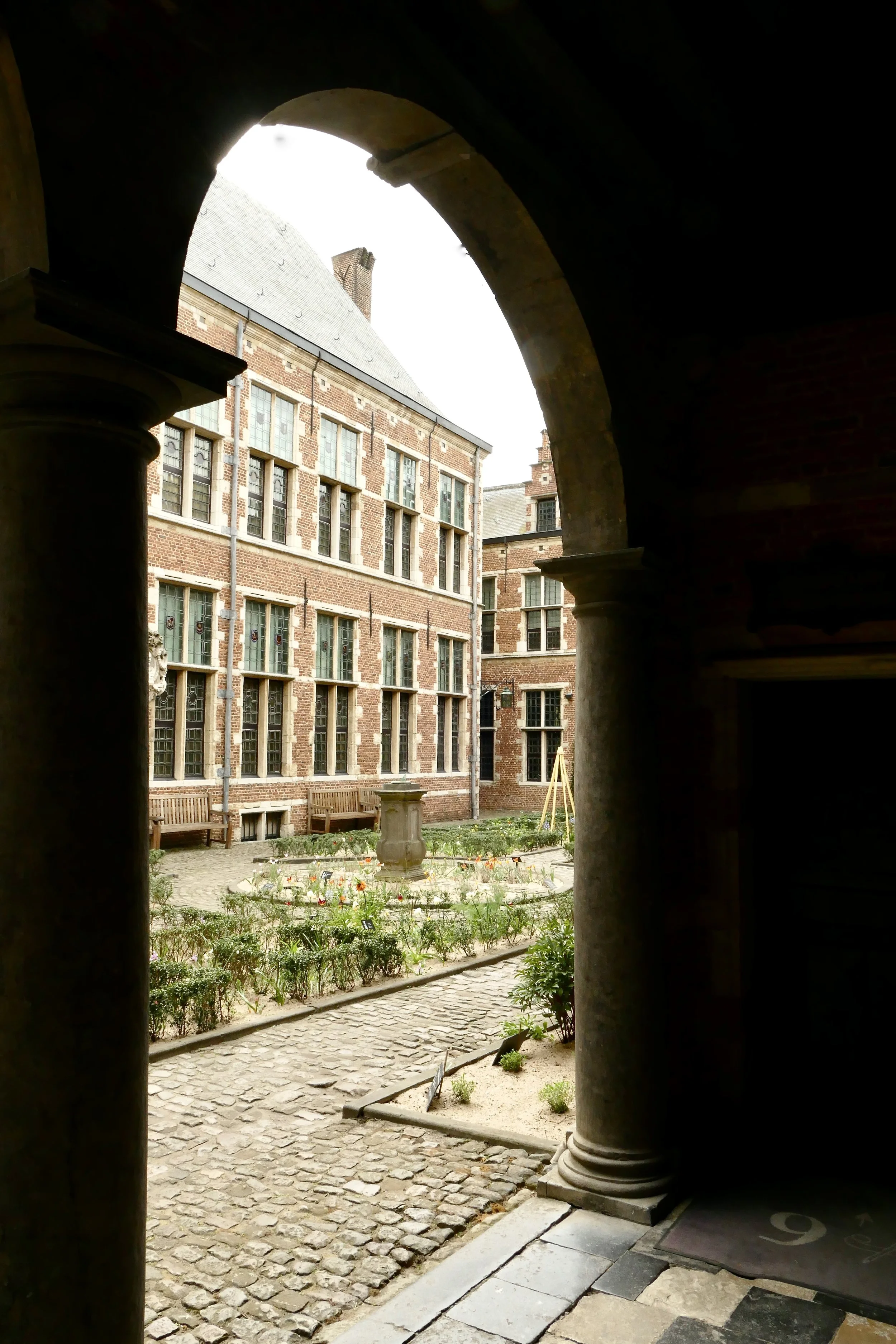
The courtyard garden of the museum is a living tribute to Carolus Clusius (1526-1609). He was a French speaking Flemish botanist and physician who introduced the tulip, potato, the crown imperial, and many other plants to our part of the world.
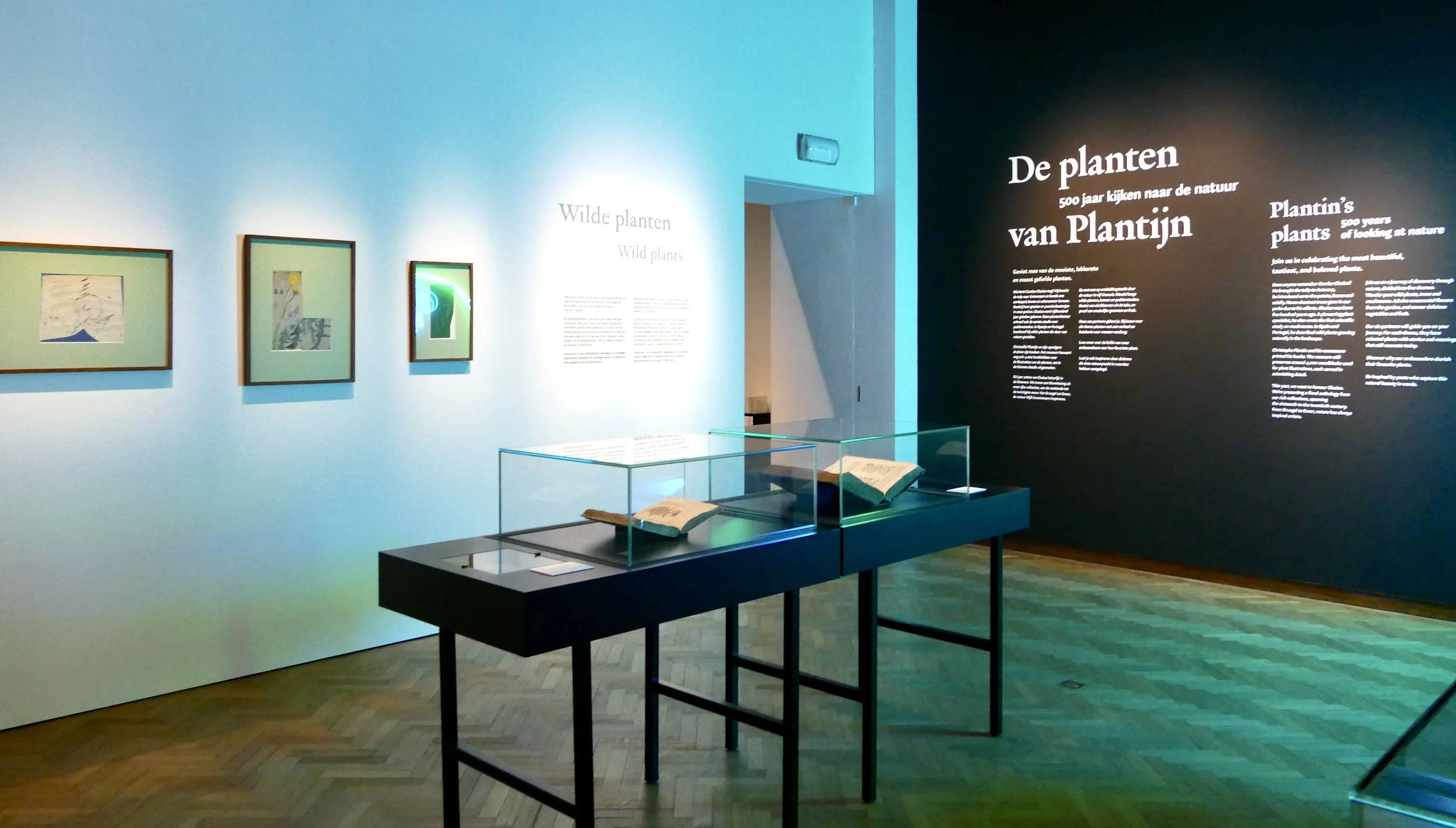
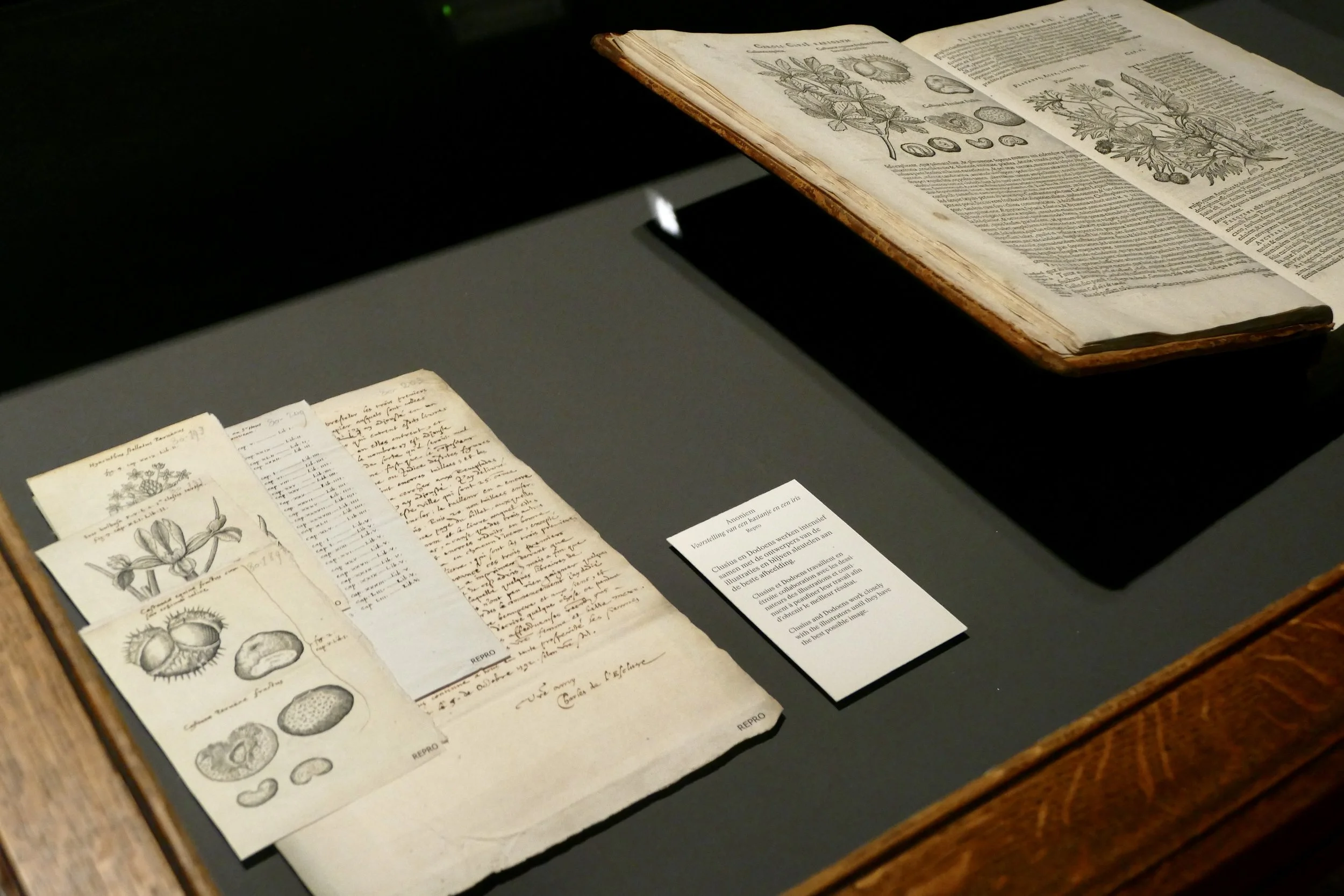
Together with Rembert Dodoens and Matthias Lobelius, Carolus Clusius was part of the 16th-century botanical trio that laid the foundation of the important scientific discipline of botany. Most of the works by these authors were published by Christopher Plantin, the founder of this publishing company and printing house. The Plantin-Moretus Museum still preserves some 4,000 woodblocks used to print the botanical illustrations in those books.
Some of the woodblocks were exhibited in this inspiring exhibition as you will soon discover below…
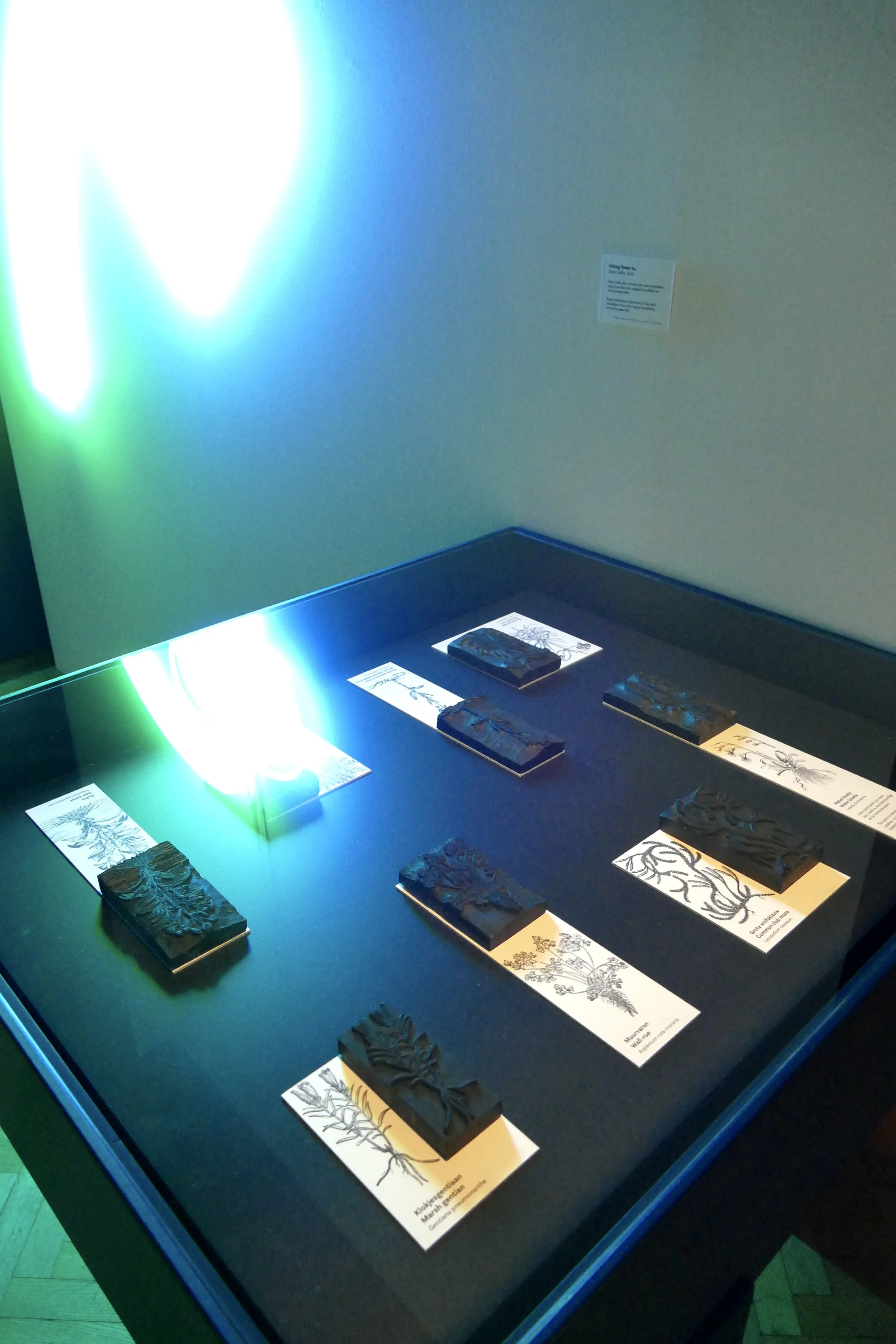
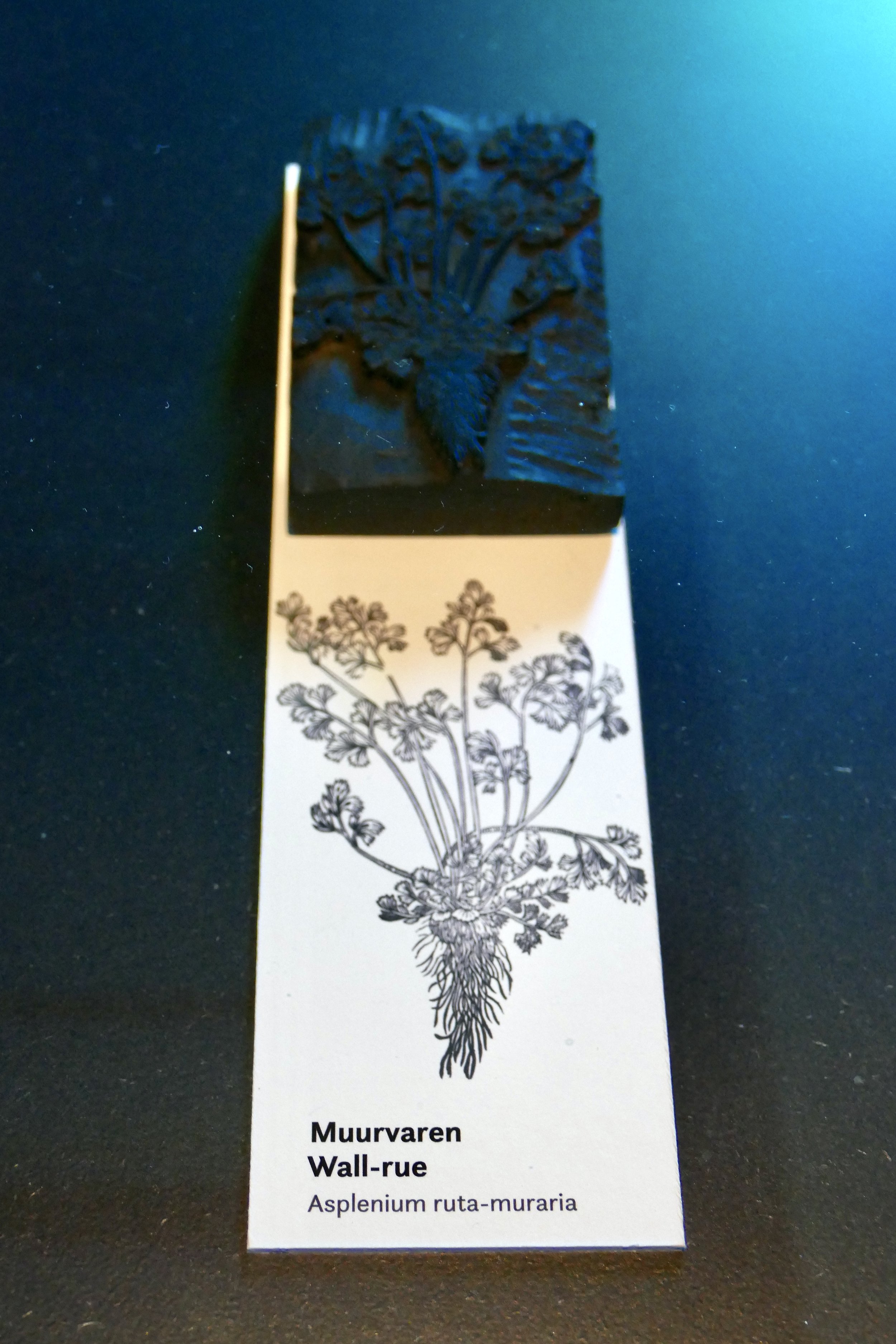
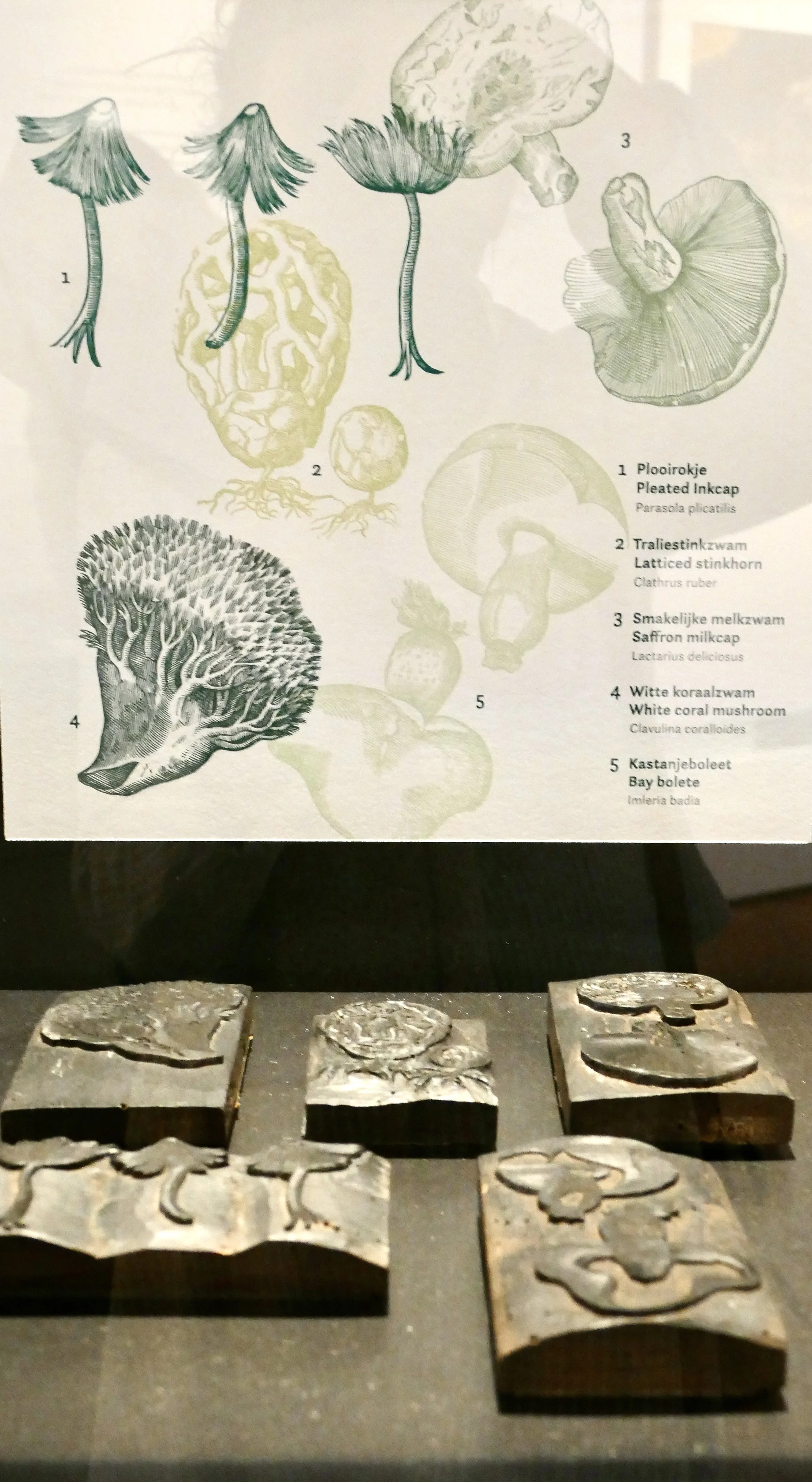
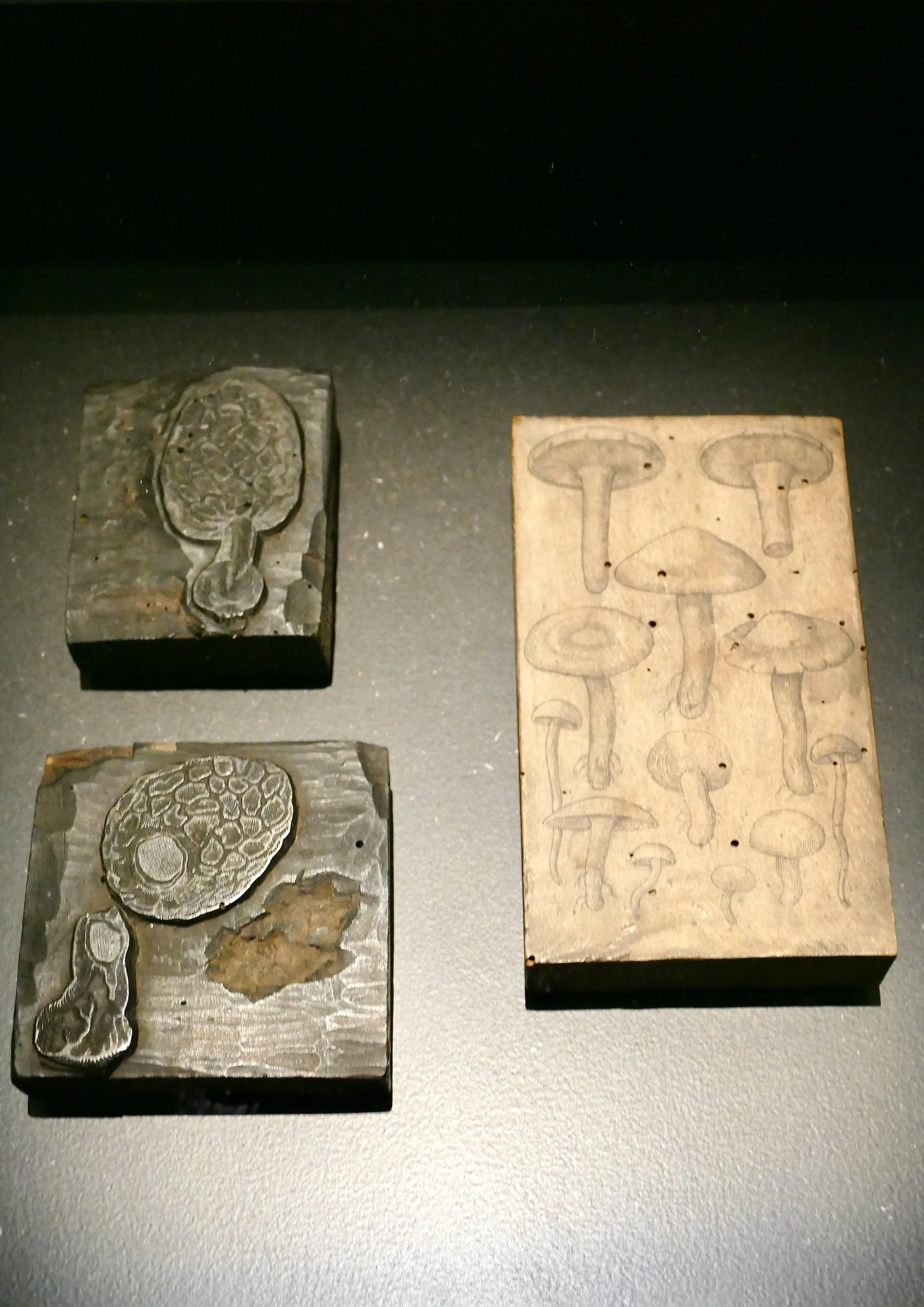
These wooden print blocks with different plants are definitely examples of true craftmanship, drawings masterly cut in wood!
I’m always inspired by mushrooms and was delighted to discover that they were part of the exhibition. They are just amazing with their unusual shapes and spores, and their sudden appearance in autumn.
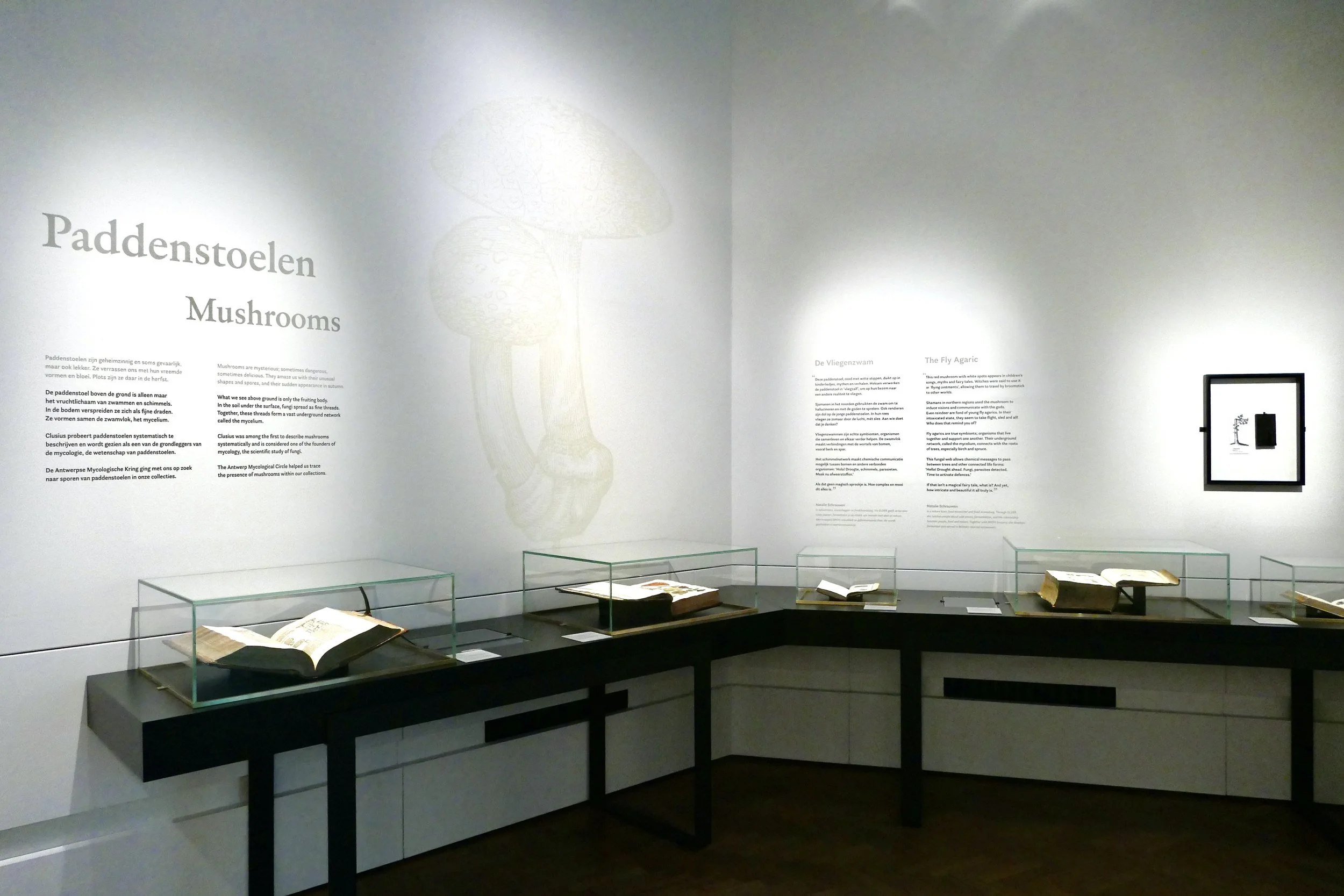
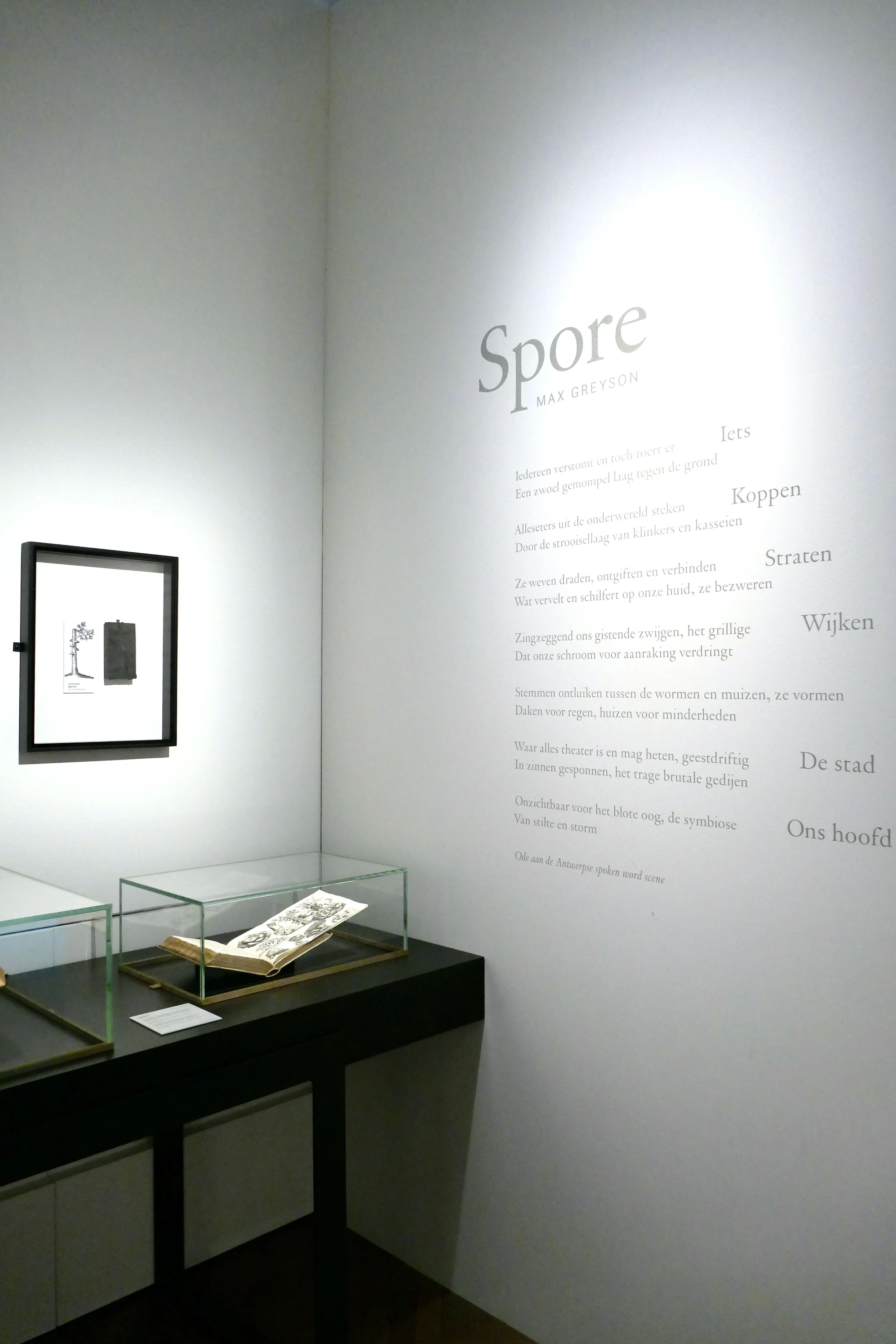
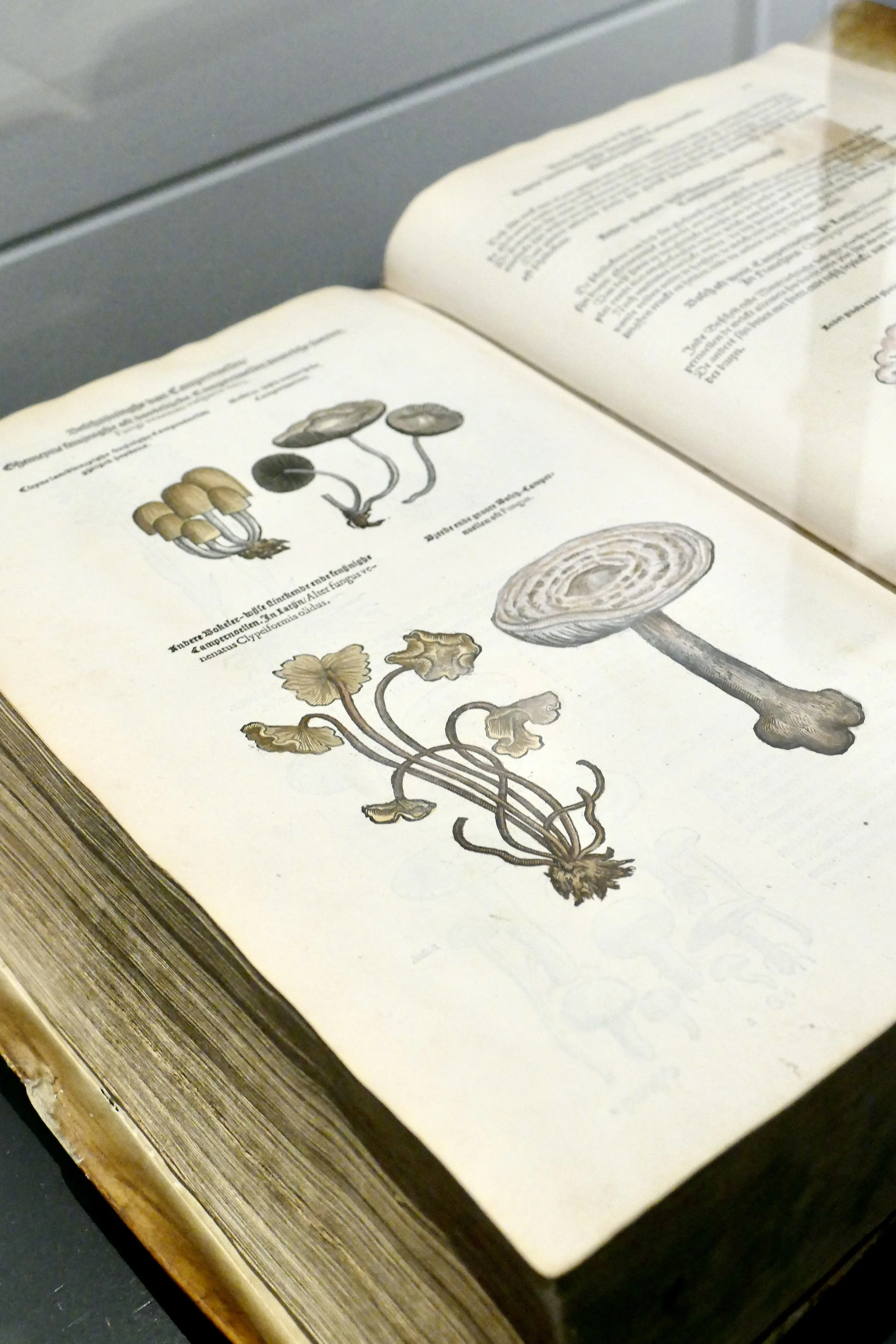
Clusius was among the first to describe mushrooms systematically and is considered one of the founders of mycology; the scientific study of fungi.
On the right picture you'll see some of the first illustrations of mushrooms which are coloured by hand.
Trees are part of the Belgian landscape and I couldn’t imagine a world without them. We can’t live without them as they provide us with oxygen and help purify the air which is so desperately necessary in these times of climate change.
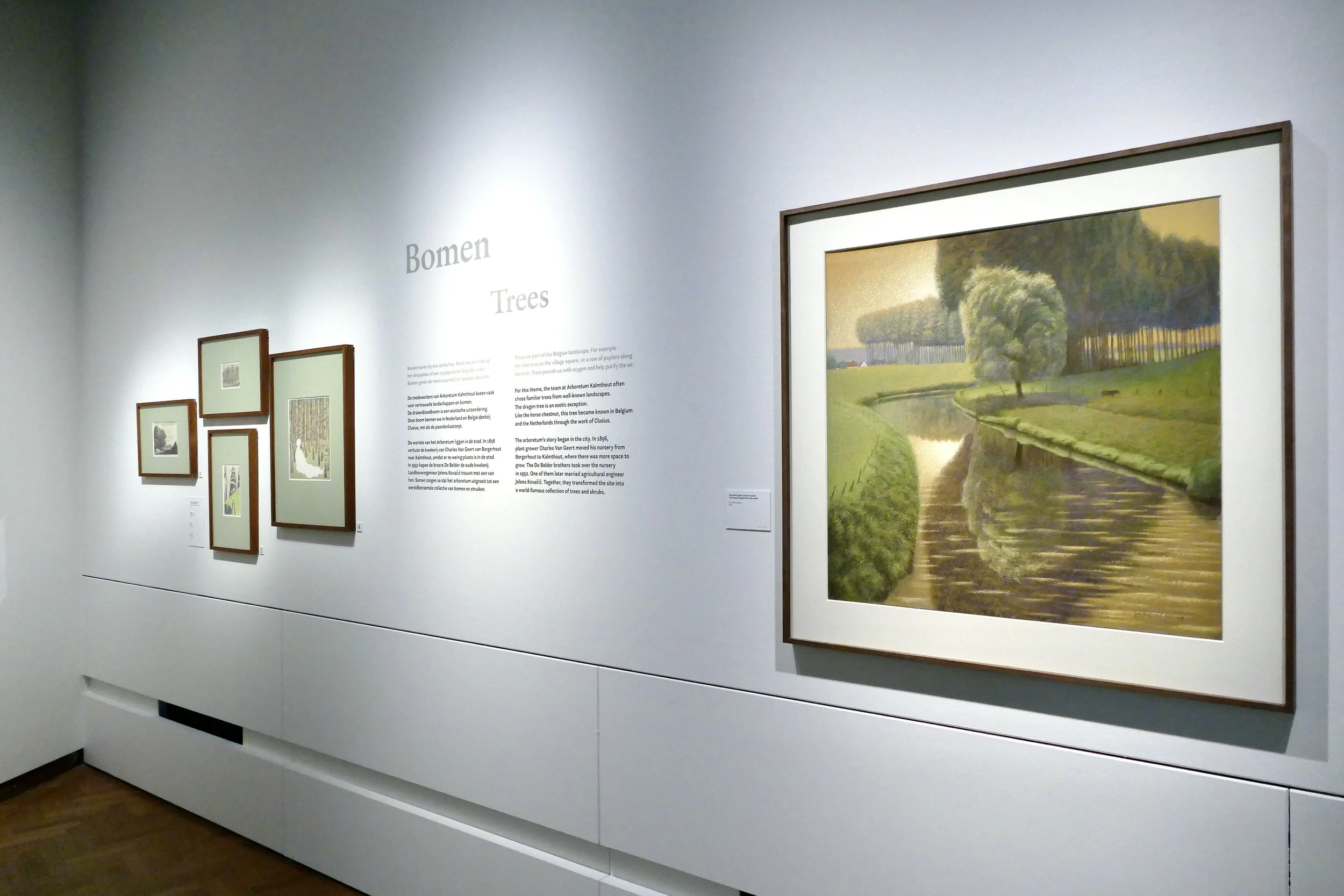
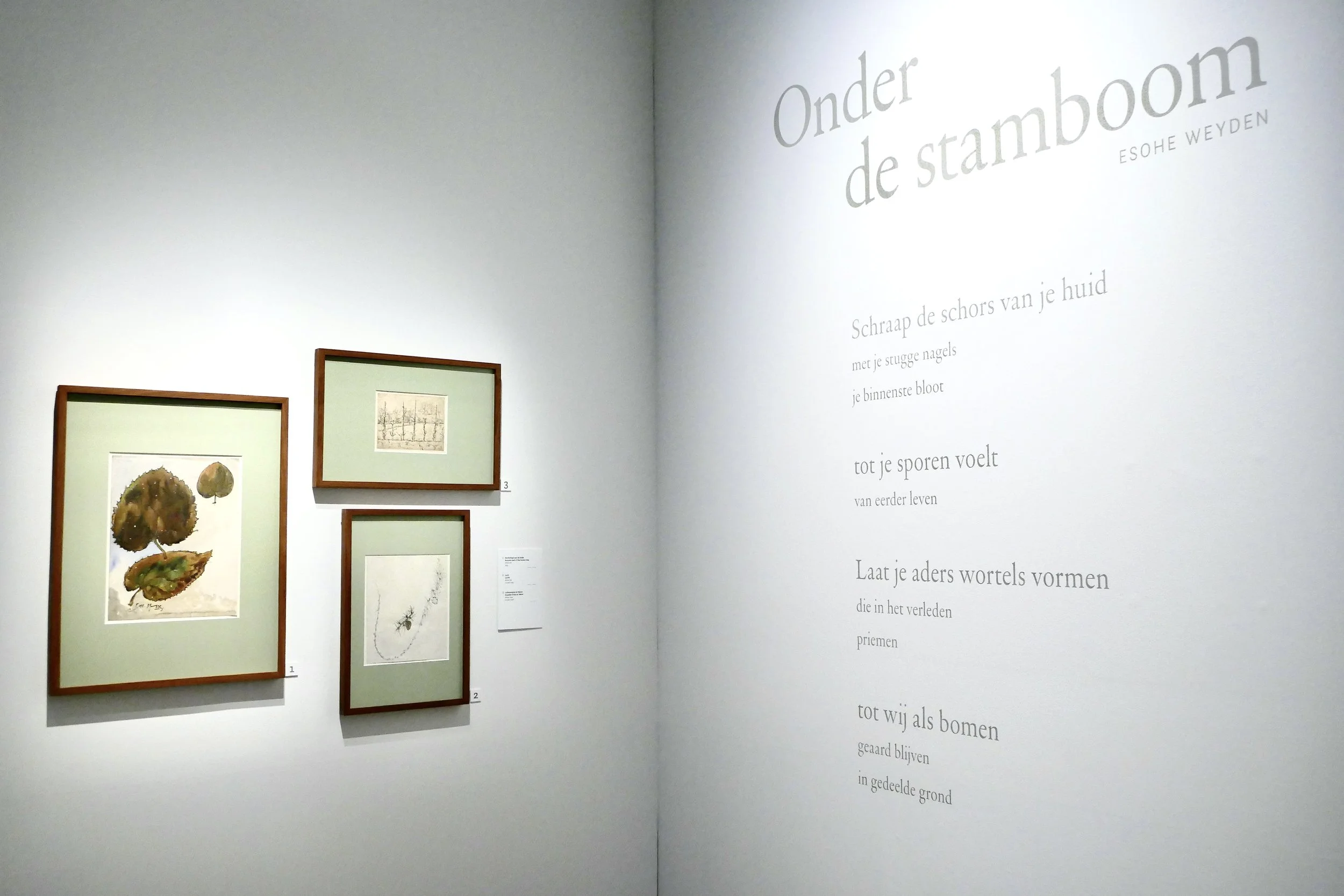
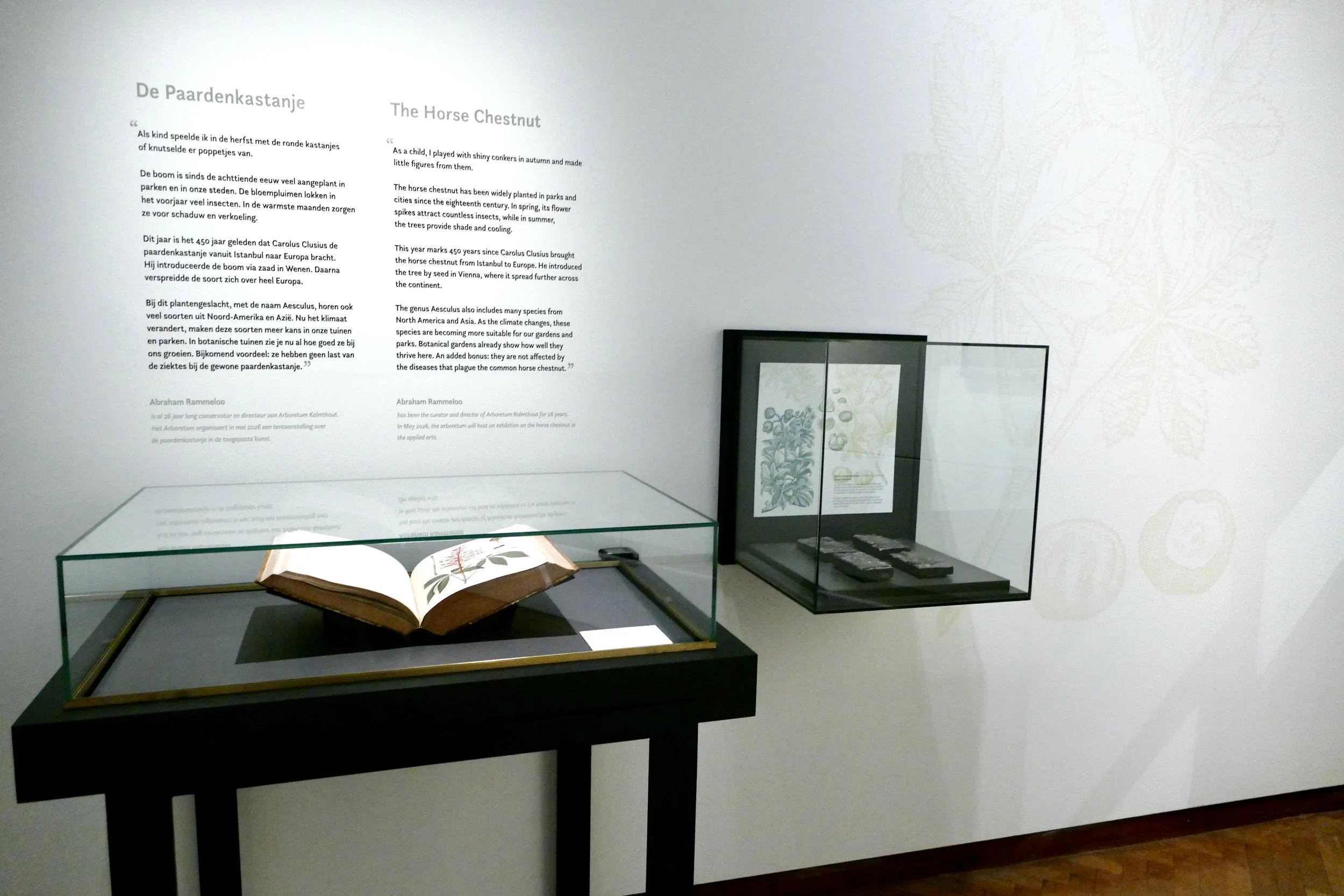
The horse chestnut is one of the exotic trees that became know in Belgium through the work of Clusius.
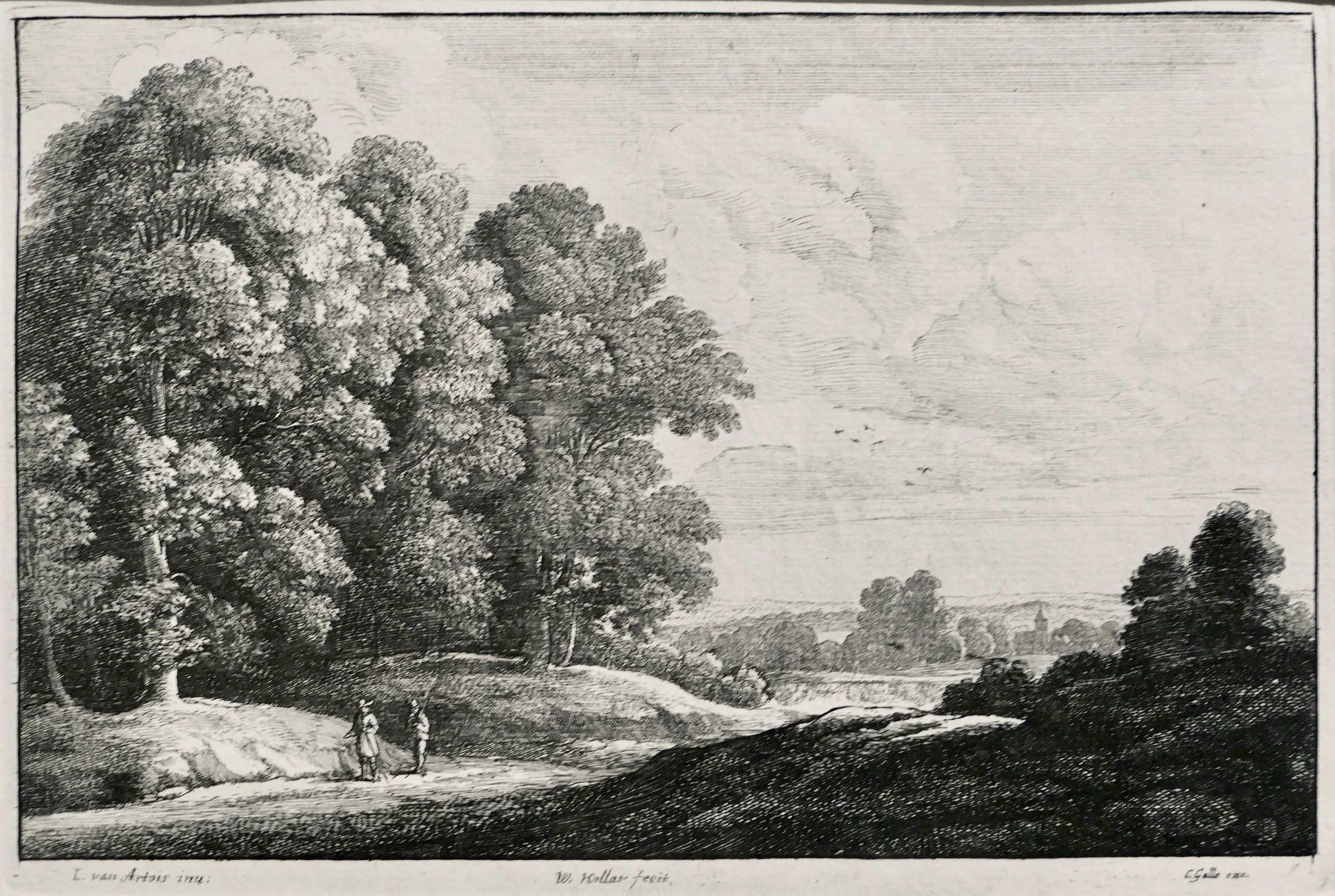
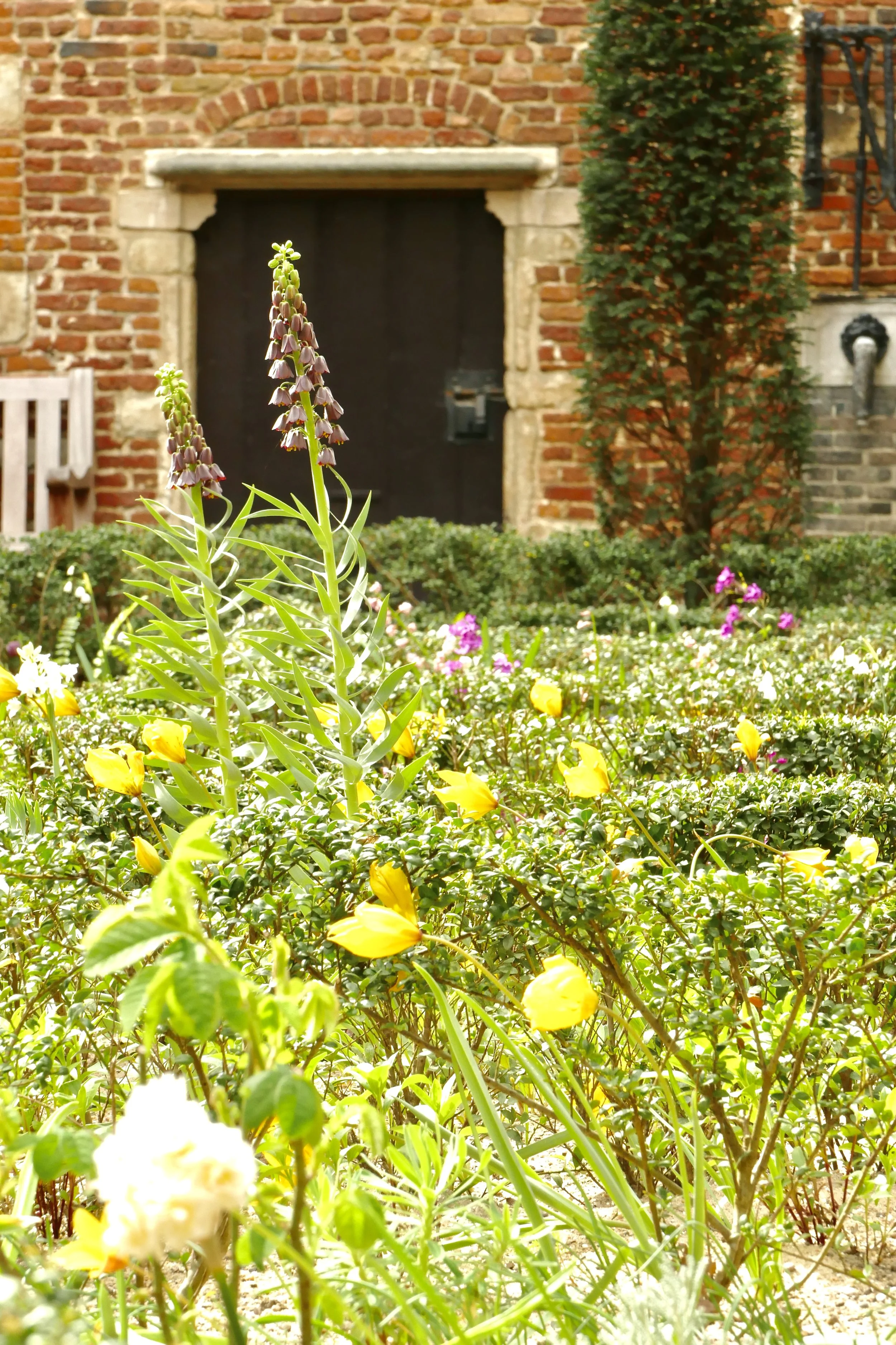
Clusius played a key role in bringing stinzen plants, mostly early spring bloomers, to our region. The bulbs and tubers of snowdrops, daffodils, woodland tulips or snake’s-head fritillaries were planted around country houses centuries ago. Over time, they naturalised and became part of the landscape. Many originated in regions such as Turkey, Iran or Afghanistan.
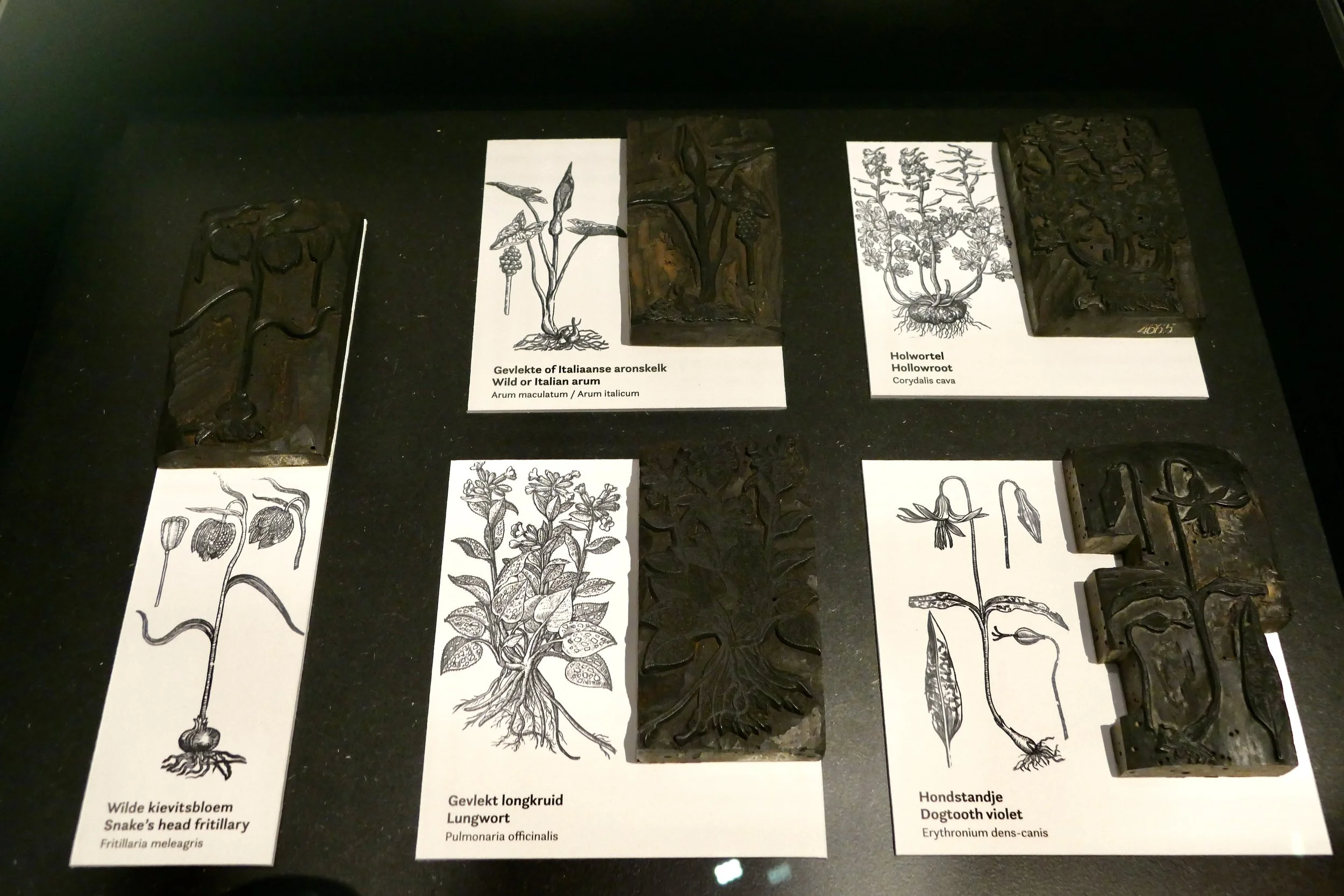
The wooden print blocks were amazingly detailled and accurate. And it’s just wonderful that these more than 500 years old artefacts still exist and can be admired (and even used to print).
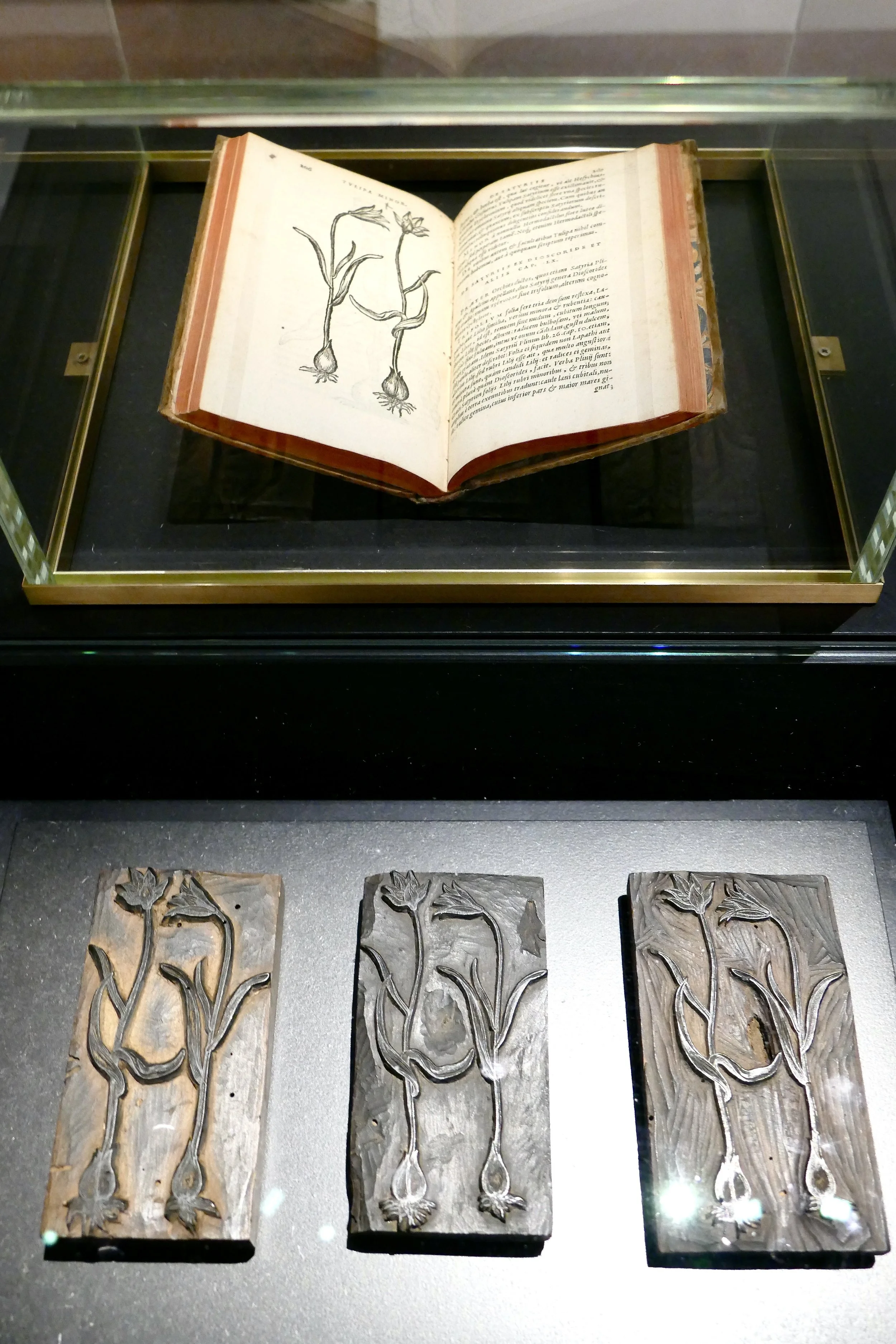
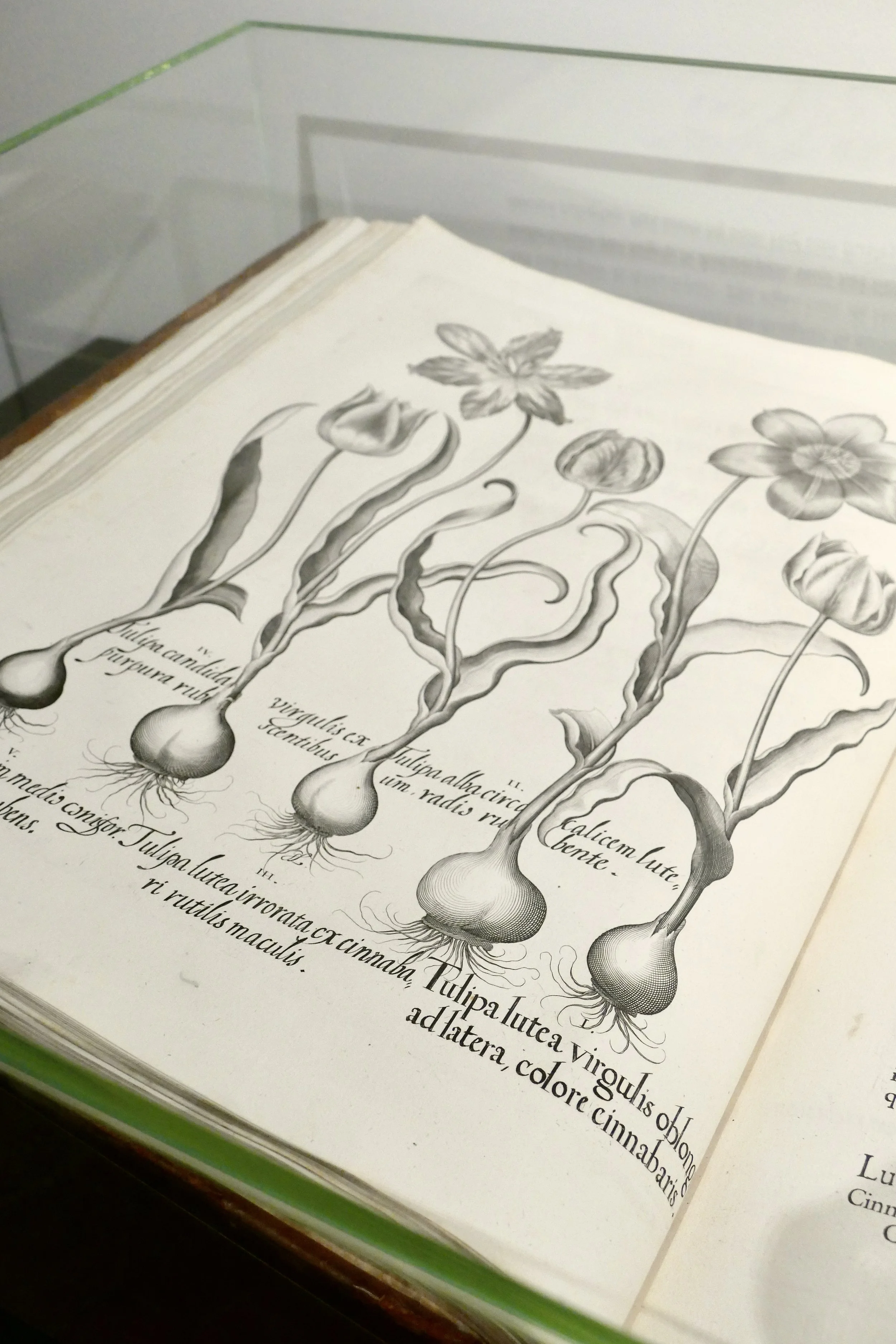
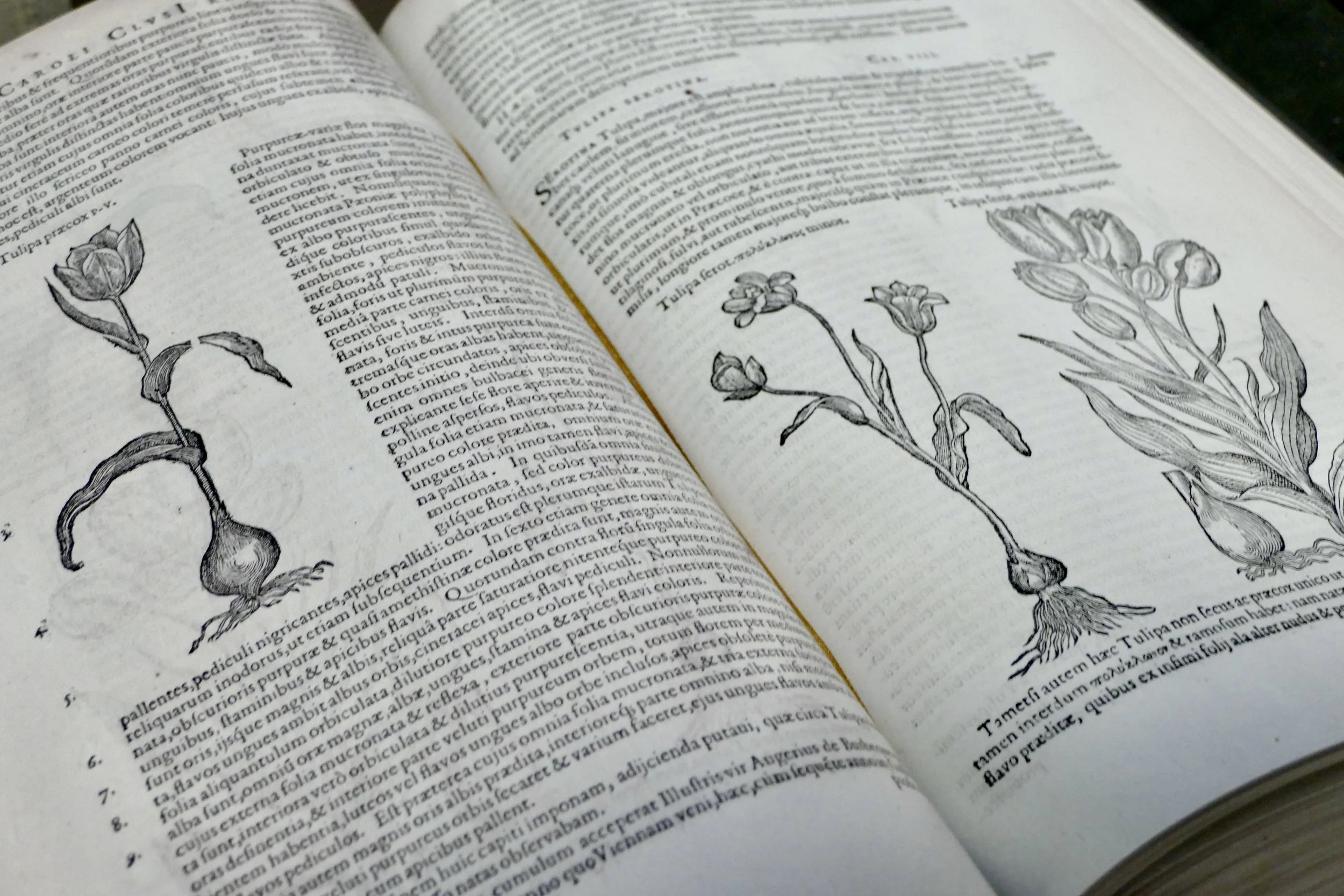
In his magnum opus 'Rariorum plantarum historia', Clusius describes about a hundred new species. Clusius is among the first to describe the horse chestnut and the potato, among others. His book is published in this printing house by the Plantin Press here in Antwerp in 1601.
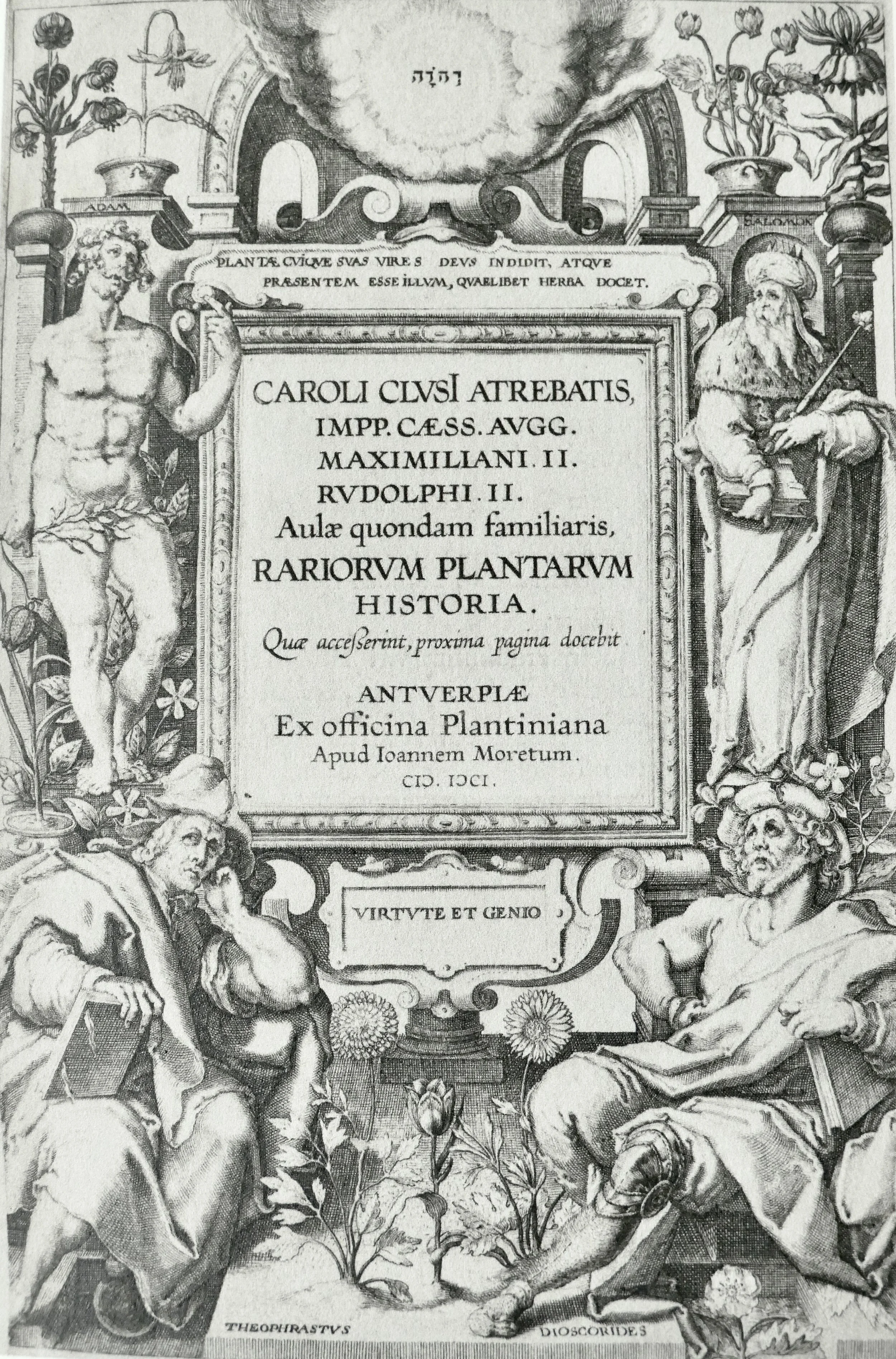
Many of the plants he discovered and described, are on the title page of his book; lily, dog's-tooth-violet, cyclamen, tulip, crown imperial, fritillary, Persian buttercup and anemone. Do you recognise them?
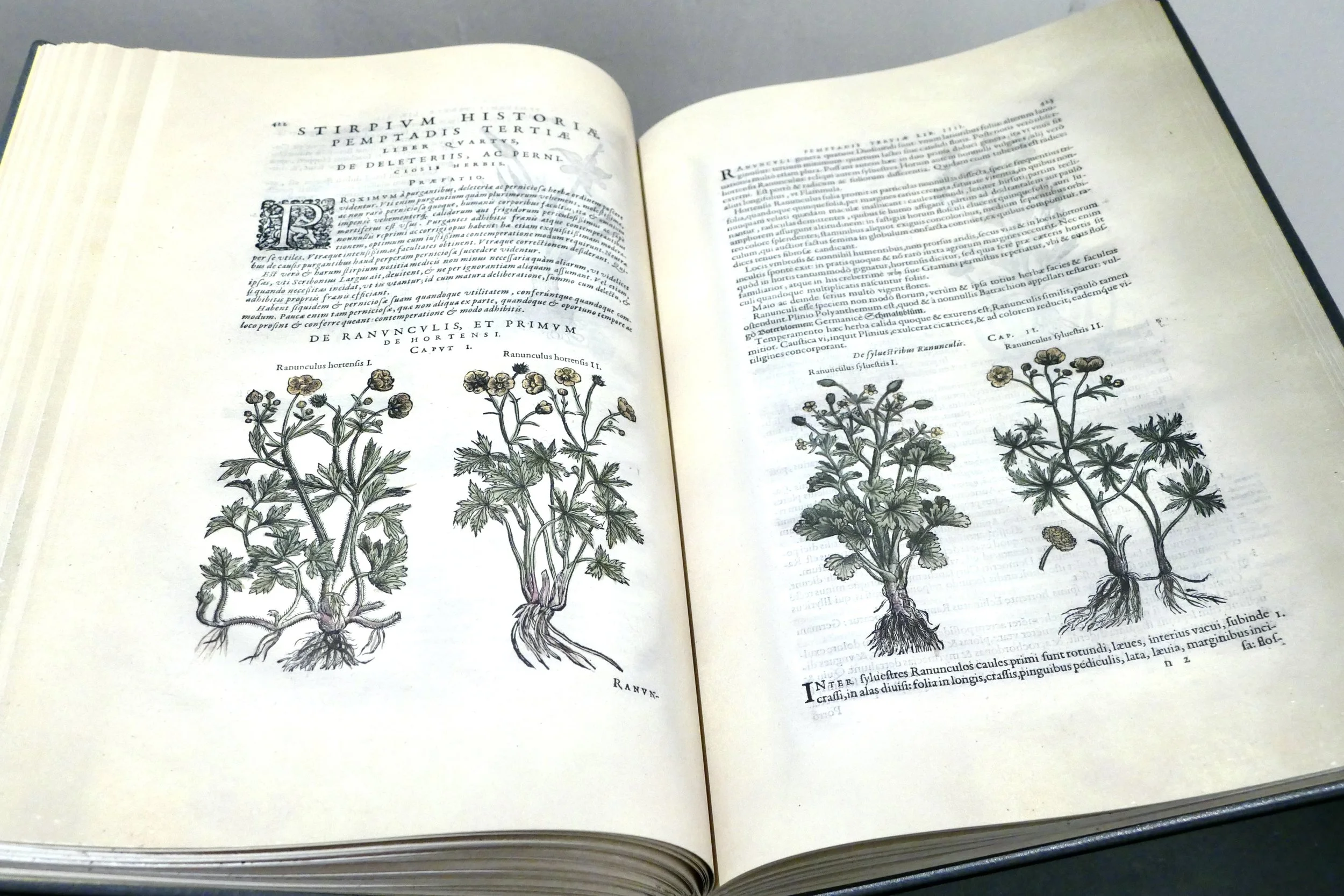
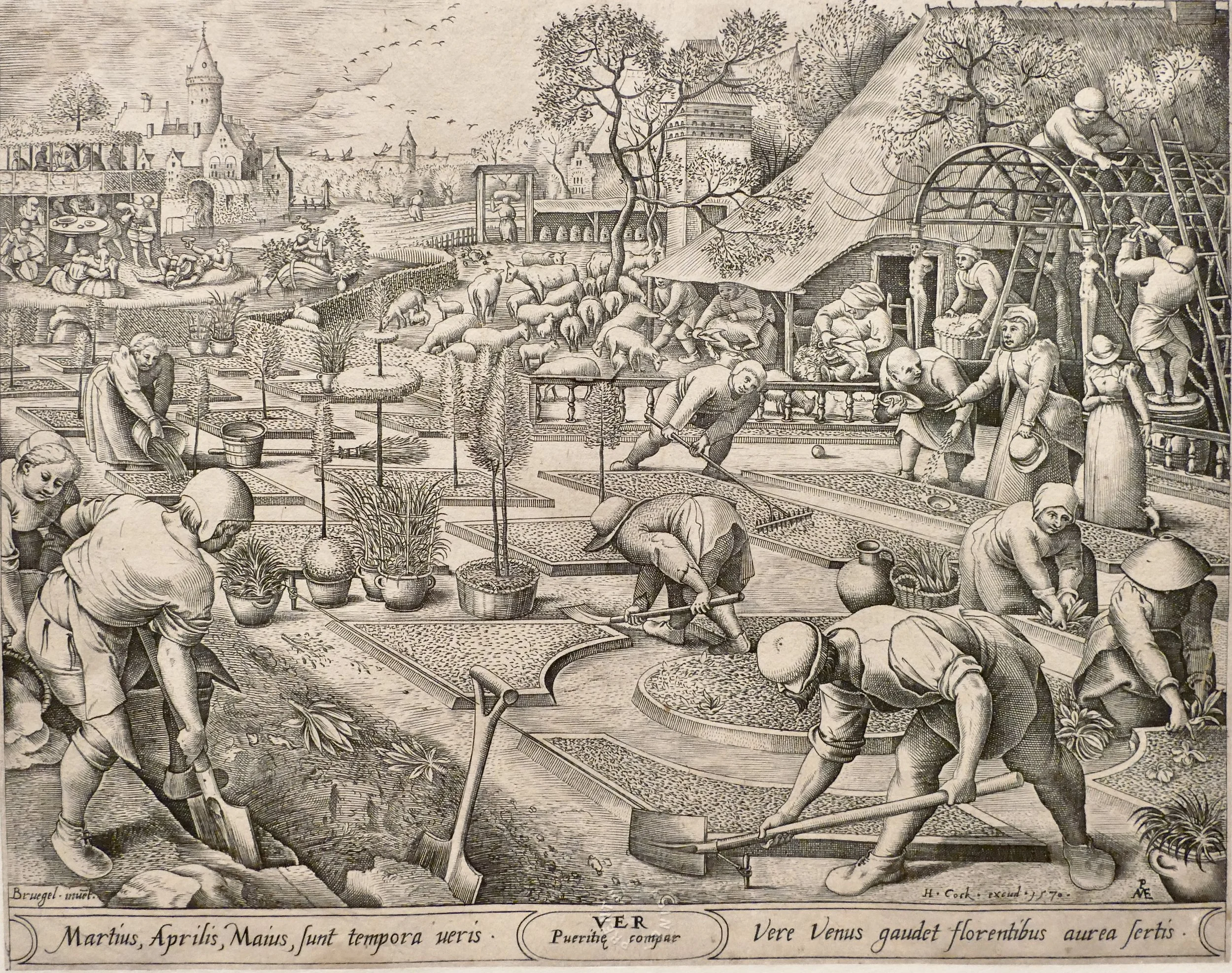
A replica of an old botanical book and an antique print about gardening. It's always fascinating to discover how they gardened a long time ago, isn't it?!
Enjoying the sunshine in the garden of the museum. This garden is recently renovated and a tribute to Clusius. The planting of this garden is based on the index from the Hortus Botanicus in Leiden (the Netherlands), where he became the first director in 1593.
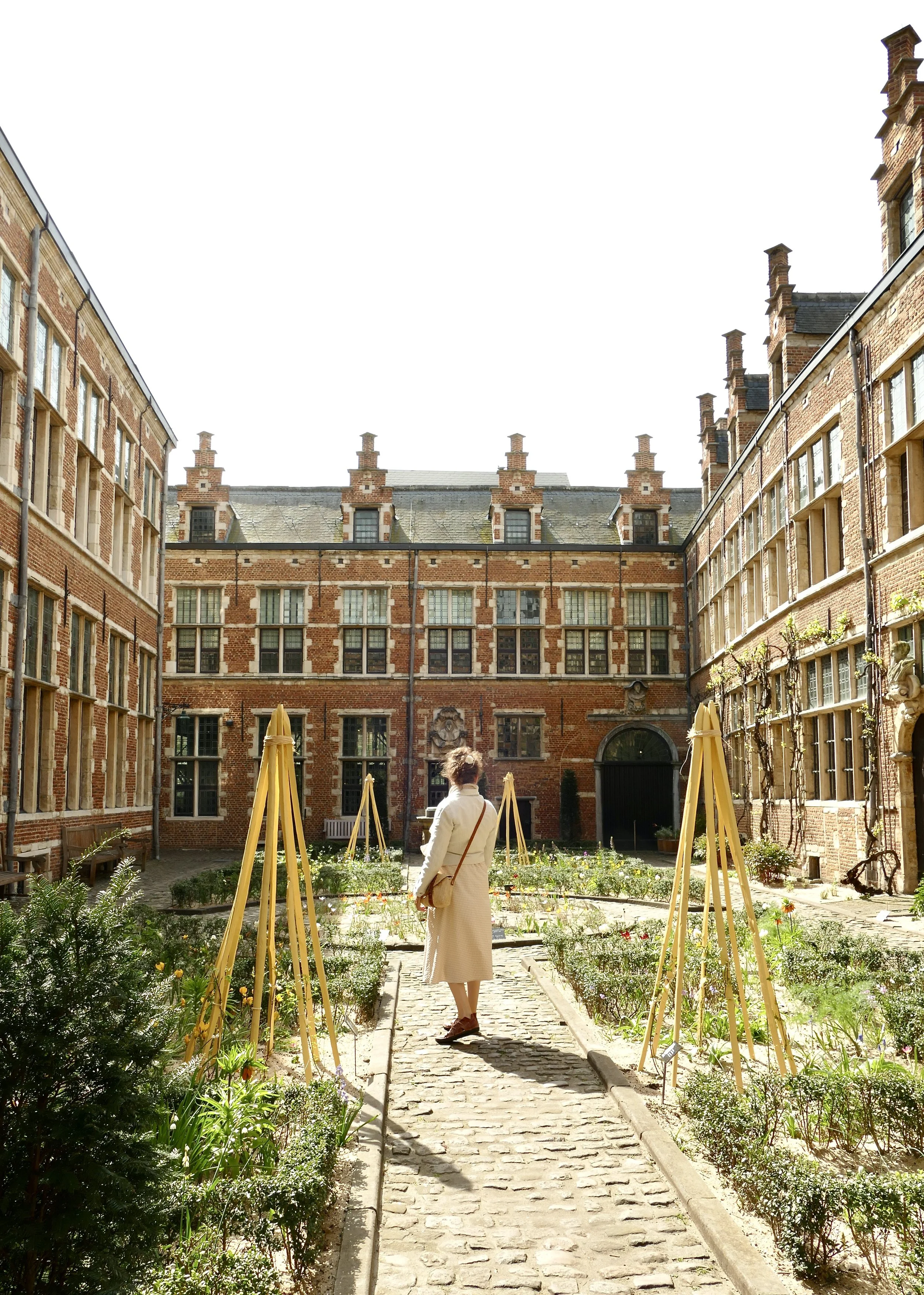
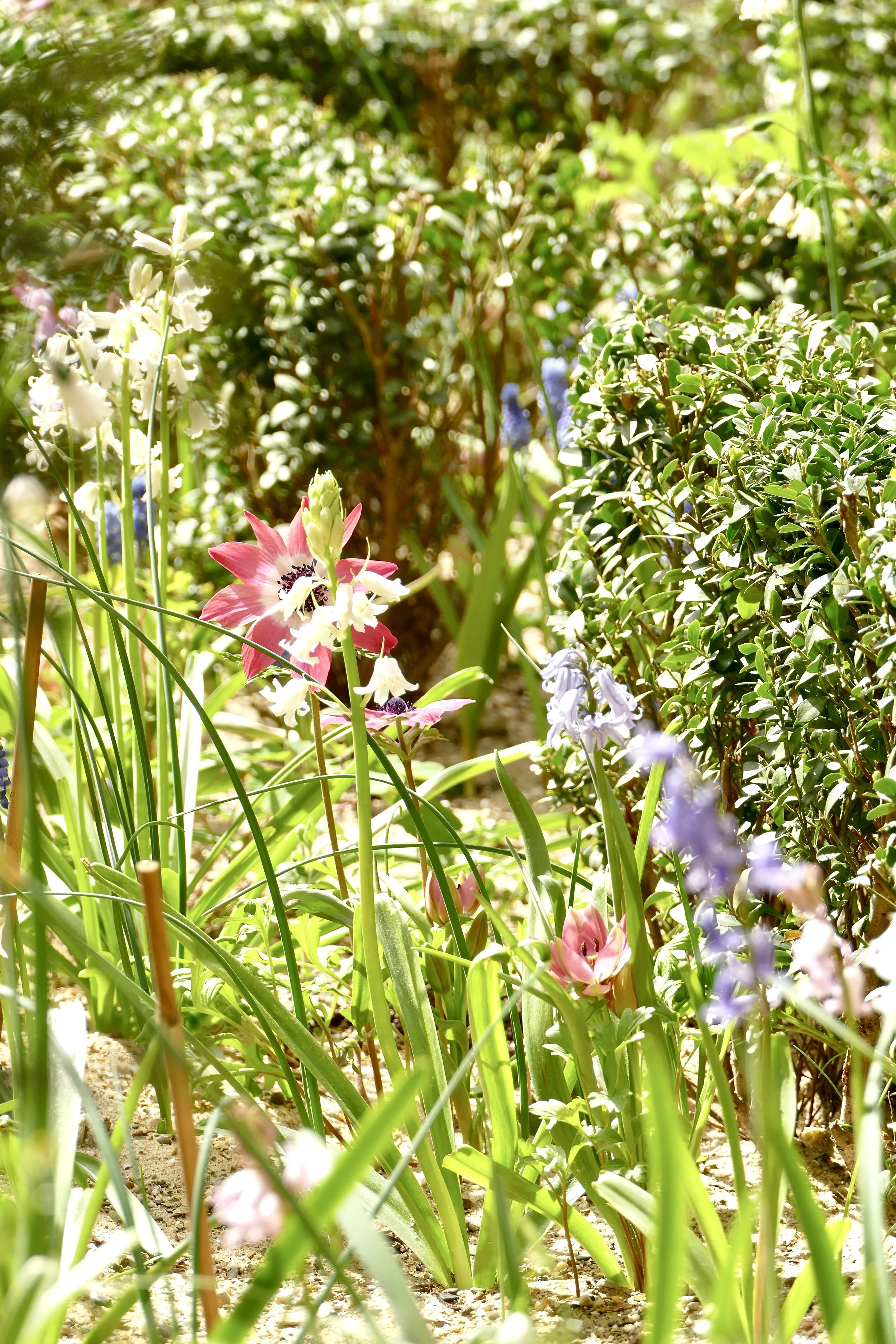
The garden’s redesign is based on the principles of 16th-century garden design but with a contemporary twist. They planted more than 100 different plants and bulb flowers. I'm really curious how it will look within a few years when the garden is more mature…
Past and present come now together beautifully in this courtyard garden of the museum. It's such a peaceful oasis in the middle of a busy city.
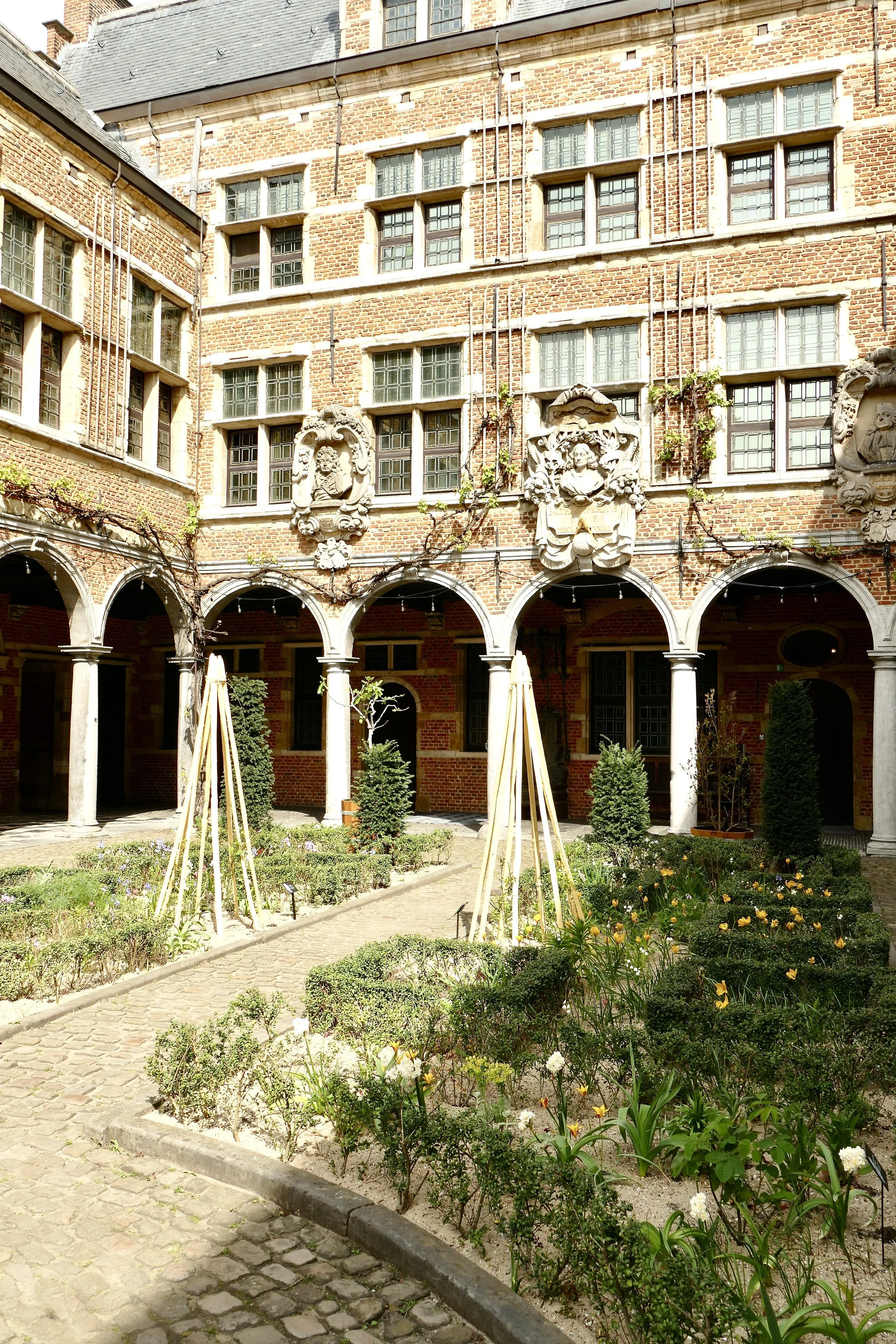
In spring, the garden’s most eye-catching feature are the tulips. Although I have to admit that tulips are one of my least favourite flowers.
It was thanks to Clusius that the tulip achieved fame in Antwerp. The first tulips that he studied were wild tulip varieties.
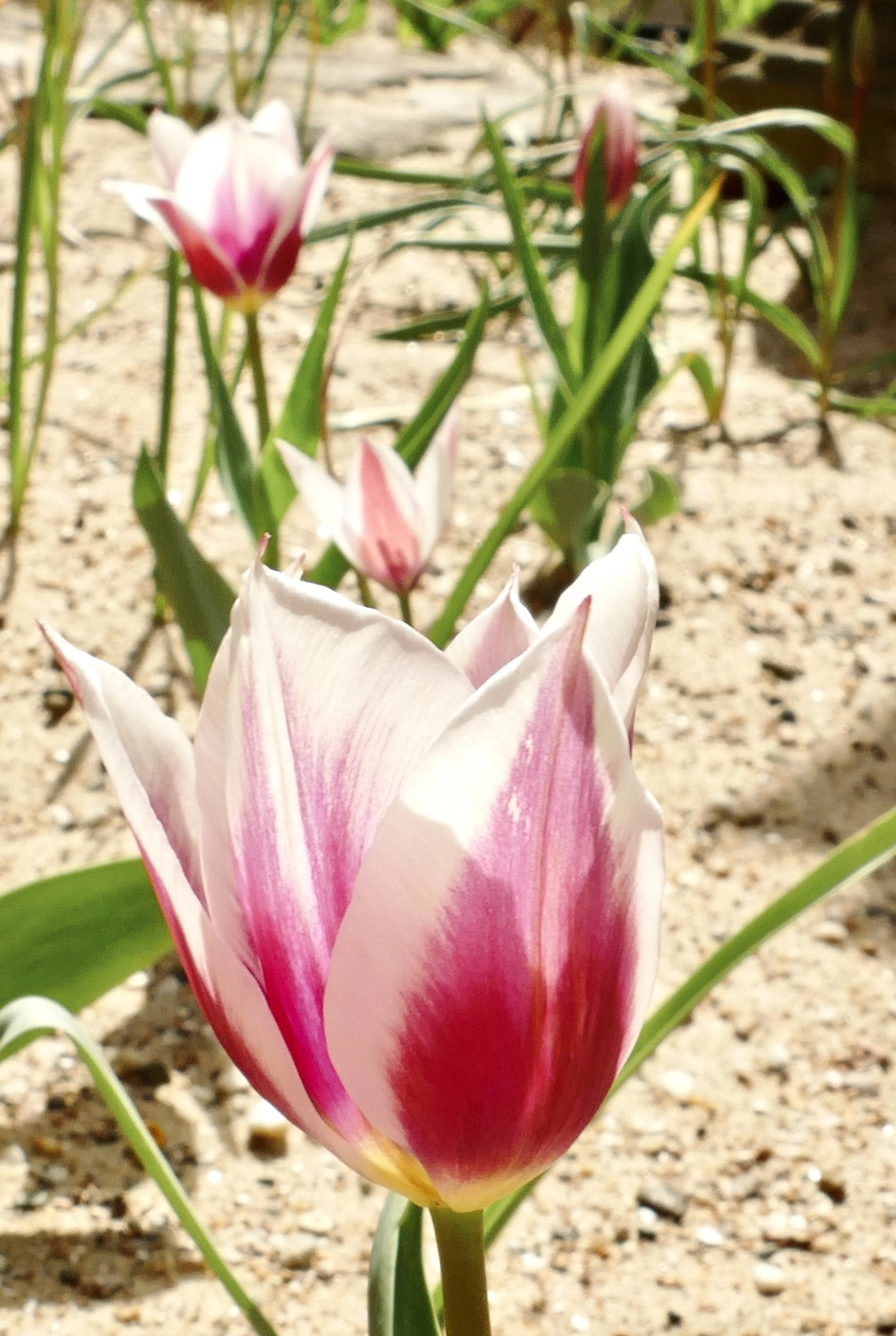
The Tulipa clusiana is a variety of tulip that is officially named after Clusius himself, in 1803, thanks to the botanist Pierre-Joseph Redouté.
Before, it was known by various names. Clusius called the tulip Tulipa persica, after the region it originated from.
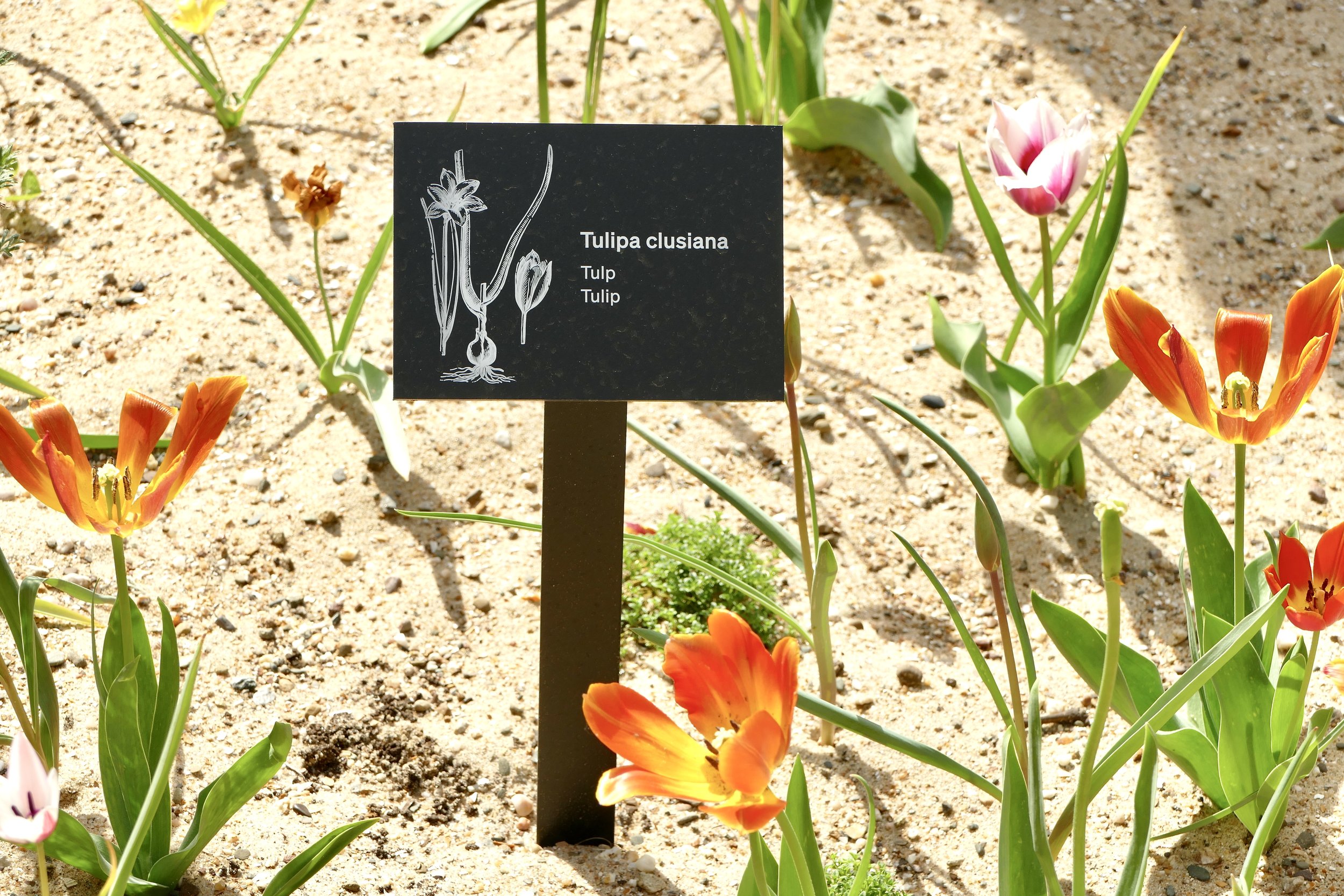
Tulip clusiana in his famous book ‘Rariorum plantarum historia'.
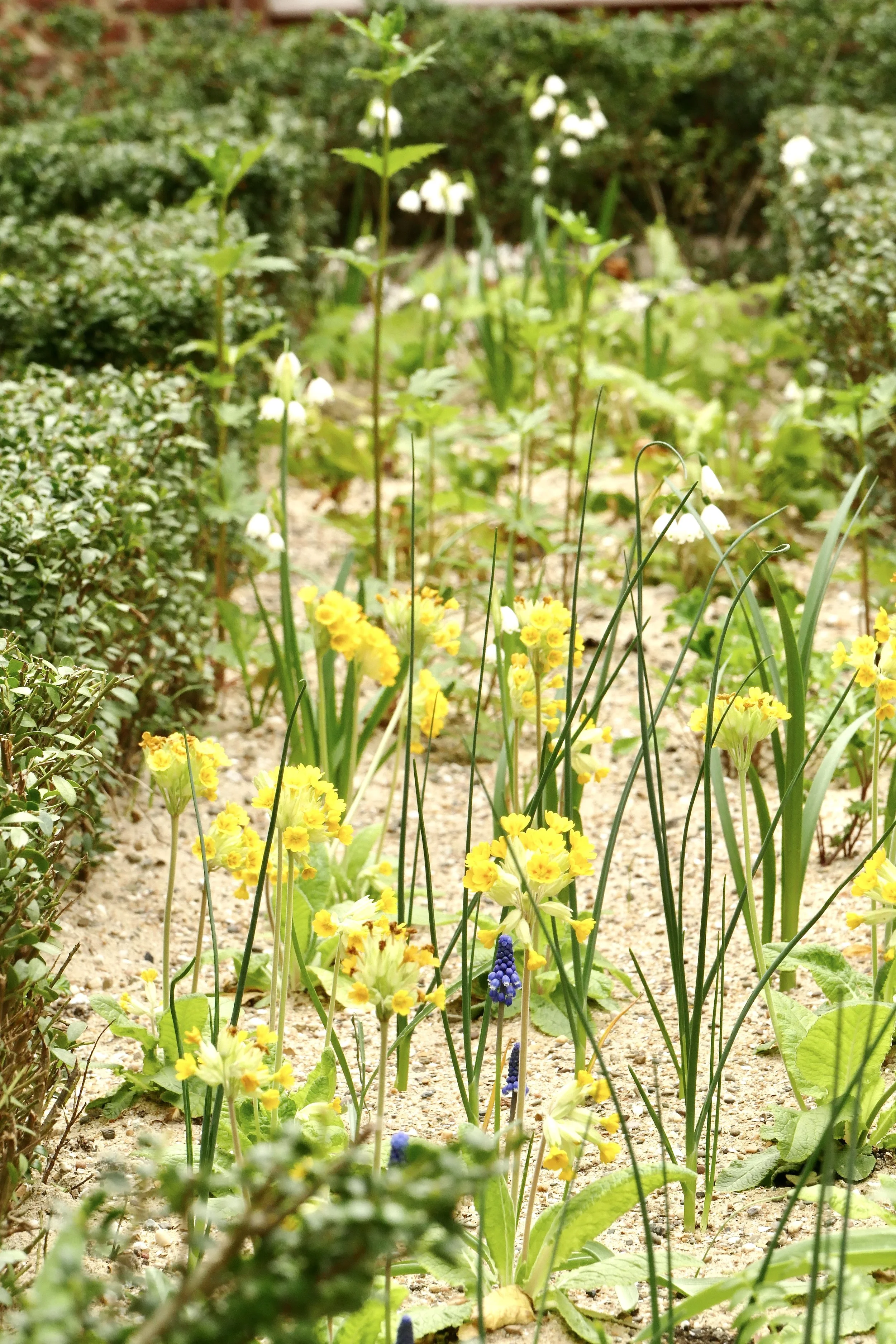
Many of the plants in this garden are still at home in our local gardens, like these primroses for example.They have served as garden plants for 500 years and are usually closely related to varieties still found in nature.
In June, during the Gartentage in Schloss Kohfidisch in Austria I will present the new creations I've made inspired by this botanist Carolus Clusius and his work. This garden festival is hold in a unique fairytale castle, steeped in history and romance where it celebrates its 10th birthday and 500 years Carolus Clusius. The perfect combination for a garden celebration!